2026 Best Stainless Steel Elbow Types for Your Projects?
When planning your projects, choosing the right materials is crucial. Stainless Steel Elbow fittings are essential in various applications. They facilitate efficient and reliable connections in piping systems.
In 2026, the market offers a range of Stainless Steel Elbow types to meet diverse needs. From 90-degree to 45-degree elbows, these fittings come in various sizes and thicknesses. Selecting the appropriate type impacts project durability and performance.
Understanding the unique properties of Stainless Steel Elbow fittings can be overwhelming. Factors like corrosion resistance and pressure ratings should guide your choice. Research is essential. Some options may not meet all expectations. Consider consulting with experts to enhance your decision-making process.
Types of Stainless Steel Elbows for Construction Projects
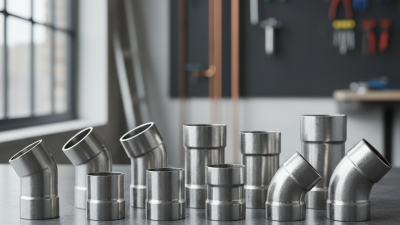
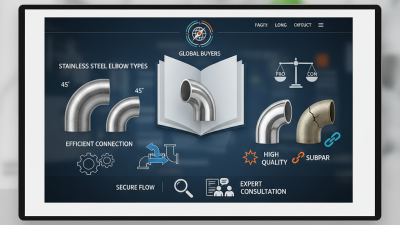
When choosing stainless steel elbows for construction, it’s essential to understand the types available. These fittings play a crucial role in piping systems. Common types include 90-degree, 45-degree, and long radius elbows. Each type has specific applications depending on the flow direction required.
A comprehensive report by the International Stainless Steel Forum (ISSF) revealed that around 40% of all stainless steel used in construction is for pipe fittings. This statistic underscores the importance of selecting the right elbow type. For instance, 90-degree elbows facilitate significant changes in pipe direction. They are ideal for tight spaces but can create pressure drops if not used correctly.
Moreover, market analysis indicates that long radius elbows minimize pressure loss compared to short radius types. This characteristic is vital in ensuring efficient water flow in industrial settings. However, one must consider the trade-off; long radius elbows occupy more space. Proper planning and execution could prevent potential mistakes costing both time and resources. Choosing the right elbow type requires careful consideration of these factors.
Key Features to Consider When Choosing Stainless Steel Elbows
When selecting stainless steel elbows for your projects, certain key features are crucial. The material grade is one of the most important factors. Look for grades like 304 or 316, which offer excellent corrosion resistance. The choice of grade often affects the elbow's performance in harsh environments. The thickness of the elbow is another aspect to consider. A thicker elbow can withstand higher pressure but may not always be necessary for every application.
The angle of the elbow is also significant. Standard angles include 45 and 90 degrees. The type of angle can affect fluid flow and overall system efficiency. Pay attention to the connection type, as threaded or welded qualities will influence installation ease. Sometimes, these details can be overlooked, leading to future complications in your projects.
Additionally, think about the finish. A smooth interior surface can minimize friction, which is especially important for piping systems carrying liquids. An imperfect finish might give a false sense of security about performance. Always verify that the elbows meet industry standards. Ask for documentation if needed. Information on certifications can help ensure reliability. Reflecting on these features will lead to better decision-making for your stainless steel elbow selection.
Applications and Industries Utilizing Stainless Steel Elbows
Stainless steel elbows are widely used in various industries, thanks to their durability and resistance to corrosion. According to a report by Research and Markets, the global stainless steel market is projected to reach over $120 billion by 2025. This growth is attributed to the increasing demand from the oil and gas, construction, and automotive sectors. Elbows are essential components in piping systems, providing direction and connecting different sections.
In the food and beverage industry, stainless steel elbows play a critical role. They help maintain hygiene standards and ensure the safe transport of liquids. The Food and Drug Administration (FDA) emphasizes the importance of using non-reactive materials for food processing. Still, the challenge lies in ensuring that all fittings, including elbows, meet stringent health regulations.
The automotive industry also benefits from stainless steel elbows. They contribute to exhaust systems, enhancing performance and durability. However, manufacturers face hurdles in optimizing designs. Balancing weight, cost, and strength can be tricky. Some projects may overlook the significance of proper elbow specifications, leading to inefficiencies. Understanding the specific application is crucial for achieving the best results.
Maintenance and Care Tips for Stainless Steel Elbow Fittings
Stainless steel elbow fittings are crucial in various plumbing and piping systems. Proper maintenance ensures their longevity and reliability. Regular cleaning is vital. Use a soft cloth and warm, soapy water to remove dirt and grease. Avoid abrasive cleaners, as they can scratch the surface.
Inspect your fittings frequently. Look for signs of corrosion or damage. Even minor scratches can lead to bigger issues. Pay attention to the joints. A loose connection can create leaks. Tighten them carefully. It's essential to replace damaged fittings immediately.
Consider the environment where the elbows are used. If exposed to harsh chemicals, rinse them thoroughly after use. This simple step prevents corrosion. Regular maintenance routines are necessary. They save costs and extend the life of your stainless steel fittings. Some may overlook these tasks, but they matter greatly. Proper care guarantees that your projects will run smoothly.
2026 Best Stainless Steel Elbow Types for Your Projects - Maintenance and Care Tips for Stainless Steel Elbow Fittings
| Elbow Type |
Degrees |
Material Grade |
Applications |
Care Tips |
| 45° Elbow |
45 |
304 |
Water Supply, HVAC |
Regular Cleaning with Mild Soap |
| 90° Elbow |
90 |
316 |
Chemical Processing |
Avoid Harsh Chemicals |
| Street Elbow |
90 |
Duplex 2205 |
Oil and Gas |
Inspect for Corrosion Regularly |
| Reducing Elbow |
Varies |
321 |
Transporting Fluids |
Regular Maintenance for Joints |
Comparing Cost Efficiency: Stainless Steel Elbows vs. Other Materials
When comparing the cost efficiency of stainless steel elbows to other materials, several factors come into play. Stainless steel elbows are known for their durability and corrosion resistance. This makes them suitable for various environments, including both industrial and residential applications. Their longevity often offsets their higher initial cost, especially in projects requiring reliable performance.
In contrast, materials like PVC are more affordable upfront. However, they may not withstand harsh conditions. PVC can suffer from brittle failure over time. This leads to increased maintenance costs and replacements. While the initial savings with cheaper materials may be tempting, they might prove costly in the long run. Evaluating the overall lifecycle cost is crucial for making informed decisions.
While stainless steel elbows offer clear advantages, the choice should align with project requirements. It’s essential to consider specific conditions, such as pressure and temperature. Not every project requires high-grade materials. Therefore, scrutinizing the specific needs can reveal better options without compromising on quality or safety.