2026 Top Wear Plate Material Which Is Best?

Choosing the best Wear Plate Material in 2026 is not a simple grade comparison. It depends on the wear mechanism, impact energy, plate thickness, welding method, and operating temperature. A quarry truck body facing sharp quartz requires a different solution from a crusher liner exposed to repeated impact.

No single grade wins every time.

J. F. Archard, a respected authority on tribology, stated, “The volume of wear is proportional to the normal load and the sliding distance, and inversely proportional to the hardness of the softer material.” This principle still guides practical material selection. Hardness matters, but it cannot stand alone. A very hard plate may resist abrasion effectively, yet it may crack under heavy impact or become difficult to weld.

Real performance is messier.

This 2026 guide compares common Wear Plate Material options, including quenched and tempered alloy plates, chromium carbide overlay plates, austenitic manganese steel, and specialized composite products. It considers abrasion resistance, impact toughness, machinability, weldability, service life, and total replacement cost.

A cheaper plate can become expensive after frequent shutdowns. A premium plate can also disappoint when the application is poorly matched. Buyers should examine actual site evidence, such as worn edges, gouge depth, crack patterns, and operating hours. Laboratory hardness values are useful, but field records often reveal more.

The best choice is rarely universal. It is the material that survives the specific contact, load, and maintenance conditions with fewer surprises.
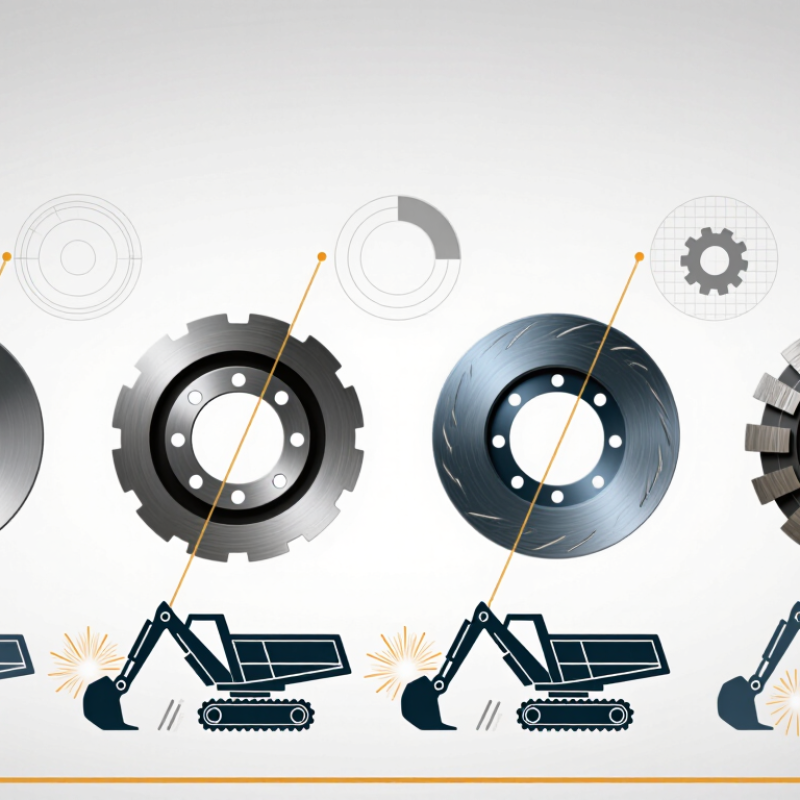
2026 Top Wear Plate Material Which Is Best?

What Is Wear Plate Material and Why Does It Matter?

2026 Top Wear Plate Material Which Is Best?

What Is Wear Plate Material and Why Does It Matter?

Wear plate material is an engineered surface designed to resist abrasion, impact, or both. It protects equipment from rocks, coal, sand, ore, and other harsh particles. Standard structural steel may bend or wear quickly under these conditions. Wear plate extends service life and reduces unplanned repairs.

Common options include hardened alloy steel, manganese steel, and chromium-carbide overlay plate. The best choice depends on the actual wear pattern. High hardness often improves sliding abrasion resistance, but it may reduce toughness. Manganese steel can perform well under repeated impact because it hardens during use. Overlay plate offers strong surface protection, yet welding and forming may require greater care. Hardness alone can mislead.

Real selection starts with evidence. Inspect the failed plate and identify whether scratches, dents, cracking, or heat caused the damage. Check Brinell hardness, impact data, chemical composition, and thickness. Confirm the plate suits the machine’s welding procedure. Temperature also matters, especially near hot material or rapid cooling.

Field observations can challenge laboratory results. A plate that lasts well in a test may crack in a vibrating chute. The decision is rarely perfect. Test coupons, maintenance records, and supplier documentation can improve confidence. A practical specification should record load type, particle size, operating temperature, expected service hours, and acceptable replacement limits.
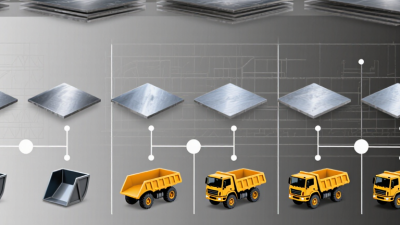
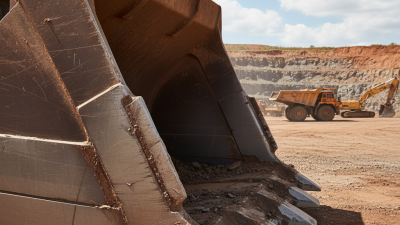
2026 Top Wear Plate Material Which Is Best? - What Is Wear Plate Material and Why Does It Matter?

A practical comparison of commonly used wear-resistant plate materials for selecting the right balance of abrasion resistance, impact strength, corrosion performance, fabrication, and service temperature.

Wear Plate Material Typical Hardness / Property Main Wear Mechanism Impact Resistance Corrosion Performance Fabrication Characteristics Typical Applications Key Limitation Best Choice When
Quenched and Tempered Abrasion-Resistant Steel Commonly about 300–600 HBW, depending on grade and thickness; high yield strength. Sliding abrasion, impact abrasion, and moderate gouging. Good to very good; generally tougher than extremely hard overlay materials. Similar to conventional low-alloy steel; it normally needs coating or other protection in corrosive environments. Can usually be cut, formed, and welded with controlled heat input and suitable procedures; drilling requires wear-resistant tooling. Hoppers, chutes, truck bodies, conveyor components, screens, buckets, and earthmoving equipment. Performance can decline in severe high-temperature service or highly corrosive conditions. A balanced solution is required for abrasion, impact, fabrication, and cost.
Chromium Carbide Overlay Plate The deposited carbide-rich surface is often approximately 550–800 HV, while the backing plate is much softer and tougher. Severe low-stress sliding abrasion and mineral-particle wear. Moderate; the hard overlay may crack in a controlled pattern and is less suitable for heavy impact or severe bending. Not inherently corrosion-resistant; the surface chemistry and service environment determine corrosion behavior. Usually cut from the backing side; limited forming and welding require procedures designed for the overlay and substrate. Transfer chutes, fan housings, liners, crusher components, coal-handling systems, and mining equipment. Difficult to machine and form; unsuitable where repeated impact, tight bending, or extensive structural fabrication is required. Maximum sliding-abrasion life is more important than easy fabrication.
Martensitic Stainless Steel Plate Typically around 400–600 HBW after suitable heat treatment; exact values vary by alloy and condition. Abrasive wear combined with moisture, chemicals, or mildly corrosive process media. Moderate; toughness is generally lower than that of austenitic manganese steel. Better than ordinary carbon and low-alloy wear steels in many environments, but not suitable for every chloride or acidic service. Welding and heat input control are important; machining is more difficult than with mild steel. Pumps, valves, food-processing wear parts, slurry equipment, and components exposed to wet abrasion. Higher material and fabrication cost; corrosion performance depends strongly on the specific alloy and environment. Both abrasion resistance and improved corrosion resistance are needed.
Austenitic Manganese Steel Usually supplied at approximately 180–250 HBW; the surface can work-harden substantially under impact. High-impact and gouging wear, especially where repeated impact produces work hardening. Excellent when the material receives sufficient impact to work-harden. Generally limited in corrosive service unless the environment and alloy are specifically compatible. Can be difficult to machine; cold forming and welding require careful procedures to avoid excessive heat-affected-zone hardening. Jaw crushers, gyratory crushers, railway crossings, impact liners, and heavy-duty rock-processing equipment. May wear relatively quickly in low-impact sliding abrasion because the surface may not work-harden effectively. Severe impact and gouging dominate the wear pattern.
Ceramic-Composite Wear Liner Ceramic inserts commonly have hardness above 1,000 HV; the backing layer provides structural support. Very severe sliding abrasion from fine, hard particles. Low to moderate; ceramic elements are hard but brittle and require suitable support. Ceramics are generally resistant to many corrosive media, but adhesives, backing metals, and joints may limit system performance. Usually installed as panels, tiles, or bonded components; cutting and field modification can be difficult. Pneumatic conveying lines, elbows, cyclones, separators, fan systems, and fine-particle handling equipment. Brittle under impact, thermal shock, or uneven support; not ideal for heavy gouging. Fine-particle abrasion is extreme and impact loads are controlled.
Duplex Stainless Steel Plate Often around 240–320 HBW in solution-annealed condition, with high strength and good chloride-stress-corrosion resistance. Moderate abrasion combined with wet, chloride-containing, or chemically aggressive service. Good; typically tougher than many hardened wear steels, subject to grade and service temperature. Very good in many chloride and process environments, although pitting and crevice corrosion remain possible. Weldable with qualified procedures; heat control is needed to preserve the ferrite-austenite balance. Desalination equipment, chemical processing, slurry systems, marine structures, and wet-process handling equipment. Usually more expensive and less abrasion-resistant than dedicated hardened or carbide-overlay plates. Corrosion resistance and structural strength matter more than maximum dry-abrasion life.

How to Select the Best Wear Plate Material

Identify the dominant wear mode

Sliding abrasion favors hard steels, carbide overlays, or ceramics. Impact and gouging favor tougher materials such as austenitic manganese steel or balanced abrasion-resistant steel.

Check the operating environment

Moisture, chlorides, acids, temperature, and thermal cycling can be as important as hardness when selecting the material.

Consider fabrication requirements

Cutting, drilling, bending, welding, repair, and field replacement requirements may eliminate very hard or brittle options.

Compare total service life

The best material is not always the hardest. Evaluate purchase cost, downtime, installation effort, replacement frequency, and safety.

Note: Hardness ranges and performance descriptions are typical industry values. Actual results depend on grade, plate thickness, heat treatment, overlay chemistry, particle size, impact energy, temperature, corrosion conditions, and fabrication procedures. Always confirm the applicable material standard and manufacturer data before specification.

Key Properties Used to Compare Wear Plate Materials

2026 Top Wear Plate Material Which Is Best?

Key Properties Used to Compare Wear Plate Materials

Choosing a wear plate starts with the wear mechanism, not the hardness number. ASTM G65 measures abrasive loss through a rubber-wheel and dry-sand test. Results are reported as volume loss in cubic millimetres. Lower loss indicates better resistance under that test condition. However, laboratory sand does not fully represent wet ore, sharp rock, or sliding coal.

Common quenched and tempered plates range from about 400 to 600 HBW. Higher hardness can reduce cutting wear. It may also lower toughness and complicate field welding. ASM Handbook, Volume 18, links wear performance with hardness, microstructure, impact conditions, and load. Hardness is not a verdict. It is only one clue.

Toughness deserves equal attention. ASTM E23 measures Charpy impact energy in joules, while ISO 148-1 defines the testing method. A plate with strong impact absorption may survive dropped rocks better than a harder, more brittle option. Check yield strength, tensile strength, thickness uniformity, and heat-affected-zone performance. For welding, carbon equivalent and preheating requirements matter. They are often ignored during urgent repairs. That is a costly mistake.

In practice, compare test data at the expected temperature and contact pressure. Ask for heat numbers, mill certificates, and traceable laboratory results. Field experience still matters. A poorly supported plate can fail early, even when its certificate looks impressive. Percentage gains may also disappear after incorrect cutting or welding.

Common Wear Plate Materials and Their Typical Applications

2026 Top Wear Plate Material Which Is Best?

Common Wear Plate Materials and Their Typical Applications

Choosing the best wear plate starts with identifying the dominant wear pattern. Abrasion-resistant alloy steel suits chutes, hoppers, dump bodies, and conveyor liners. Its balanced hardness and toughness handle sliding rock without becoming too brittle. In field inspections, plate thickness often matters as much as hardness. Thin, extremely hard plate can fail under heavy impact.

Manganese steel performs well where repeated impact causes work hardening. It is common in crusher parts, rail crossings, and large material-transfer areas. Chromium carbide overlay plate offers excellent resistance against sliding abrasion. It fits pipelines, bucket liners, fans, and screens carrying dry minerals. However, its hard surface can crack when impact becomes severe. Not always.

Ceramic-lined plate works in high-abrasion zones with limited impact, such as powder ducts and transfer chutes. Polyurethane liners reduce noise and protect equipment when handling wet, sticky materials. Stainless wear plate is useful when corrosion and moderate abrasion appear together, including food-processing and chemical handling equipment. Temperature, welding method, fastener design, and maintenance access also affect the choice. A practical mistake is selecting material from a laboratory hardness value alone. Real service includes moisture, uneven loading, sharp particles, and occasional impact. The best selection usually comes from comparing operating conditions with tested performance, then allowing room for uncertainty.

How to Select the Best Wear Plate Material for 2026

2026 Top Wear Plate Material Which Is Best?

How to Select the Best Wear Plate Material for 2026

Selecting the best wear plate material in 2026 starts with the working condition, not a catalog hardness value. Identify the main wear pattern: sliding abrasion, impact, erosion, or a combination. Material handling with sharp rock needs a different plate from a chute carrying fine sand. Measure feed size, drop height, temperature, moisture, and operating hours. Small details matter.

A high-hardness alloy can resist scratching effectively, but it may crack under repeated impact. Tougher steel may survive shock better, even with lower hardness. I have seen plates fail because the specification ignored impact energy. That mistake is expensive. Compare hardness, toughness, plate thickness, weldability, and cutting requirements together. Check mill certificates and independent test results. Reliable data should include chemical composition, mechanical properties, and test methods.

For 2026 projects, use service records whenever possible. Record the original thickness, replacement interval, and actual wear location. Then compare candidate materials under similar conditions. Laboratory abrasion tests help, but they cannot reproduce every field problem. Installation quality also affects service life. Poor support, uneven welding, or trapped moisture can shorten performance dramatically. Sometimes the “best” material is not the hardest option. It is the one that matches the complete duty cycle, budget, maintenance skill, and safety requirements. Review the choice after real operation. Some assumptions will be wrong.

Material Performance, Cost, and Maintenance Considerations

2026 Top Wear Plate Material Which Is Best?

Material performance depends on the wear mechanism, not hardness alone. Quenched-and-tempered alloy steel suits impact, sliding abrasion, and structural loads. Chromium-carbide overlay can resist severe mineral abrasion, but welding and forming become difficult. Austenitic manganese steel performs well under heavy impact. Its surface hardens during service. ASTM G65 testing compares abrasion resistance, yet laboratory results cannot fully copy a wet quarry floor or a hot transfer chute. Field conditions still decide the winner.

Cost needs a wider calculation. The cheapest plate may require more cutting, welding, and replacement. A harder overlay can lower repair frequency, but its installation may demand skilled labor and special procedures. The U.S. Department of Energy’s Operations & Maintenance Best Practices Guide reports that preventive maintenance can save 12–18% compared with reactive maintenance. That figure is useful, but not universal. Material delivery, downtime, and access can change the result sharply. World Steel Association data shows global crude steel output reached about 1.89 billion tonnes in 2023, reminding buyers that supply conditions can influence pricing.

Tips: Map the wear zone before choosing a grade. Record thickness loss every month. Compare cost per operating hour, not cost per tonne. Use ASTM G65 data as a filter, not a promise. I would also test a small section first. It costs money, but wrong assumptions cost more.