What Are the Benefits of Wear Resistant Plates for Your Industry?
In the industrial landscape, the use of a Wear Resistant Plate is becoming increasingly vital. Industries face wear and tear from heavy machinery, abrasive materials, and harsh environments. These plates provide a reliable solution, enhancing durability and performance.
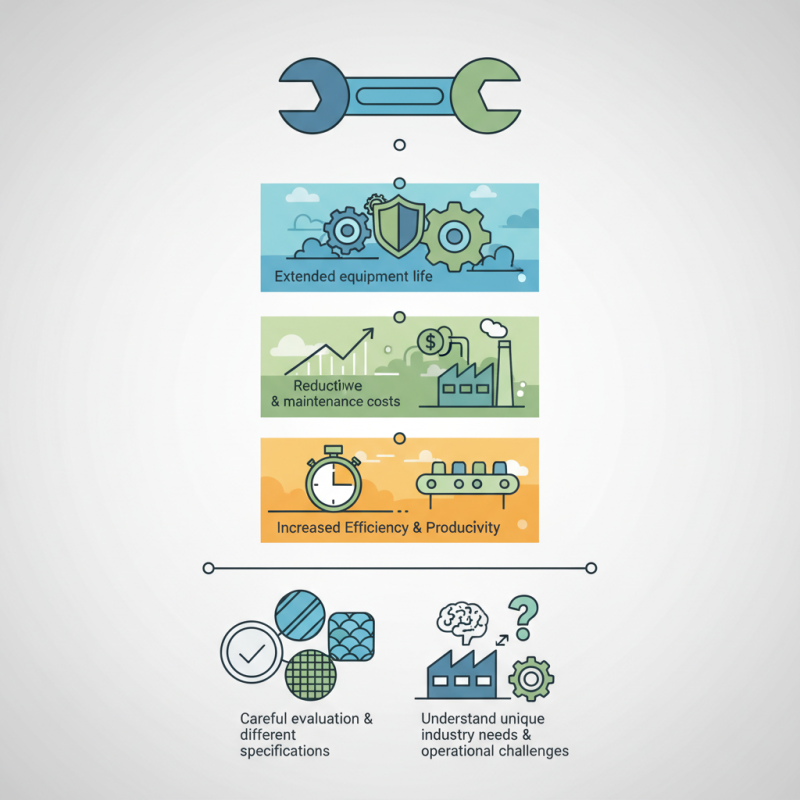
Wear Resistant Plates can extend equipment life. This quality leads to reduced downtime and maintenance costs. Operators appreciate the tangible benefits these plates offer, such as increased efficiency and productivity.
However, the selection process requires careful evaluation. Not all plates are created equal; each application may demand different specifications. It's essential to understand the unique needs of your industry. This knowledge ensures you choose the right Wear Resistant Plate to meet your operational challenges.
Benefits of Wear Resistant Plates in Industrial Applications
Wear resistant plates are crucial in various industrial applications. These plates enhance durability and protect equipment from wear and tear. Industries like mining, construction, and manufacturing benefit from their strength. They minimize downtime caused by equipment failure.
In mining, wear resistant plates are vital. They withstand harsh conditions and resist abrasive materials. This longevity reduces replacement costs over time. In construction, heavy machinery encounters extensive wear. Plates provide a shield against daily impacts and scrapes. This ensures machinery operates effectively for longer periods.
However, it's important to evaluate specific usage. Not every application may need the highest grade materials. Understanding the environment helps make better choices. Manufacturers must closely analyze their operational needs to truly benefit from wear resistant technology.
Types of Wear Resistant Plates and Their Characteristics
Wear resistant plates offer various advantages across industries, especially in sectors like mining, construction, and manufacturing. These plates are crafted from specialized materials designed to withstand high-impact and abrasive environments. Different types include chromium carbide, boron carbide, and ceramic composites, each with unique characteristics. Chromium carbide plates are renowned for their excellent wear resistance while maintaining toughness. Boron carbide plates excel in hardness, making them ideal for extreme conditions. Ceramic composites, lighter yet effective, are increasingly used in applications where weight reduction is critical.
When selecting wear resistant plates, consider the specific challenges of your operations. Think about factors like temperature fluctuations and friction types. Maintain a balance between cost and quality to ensure longevity. Large-scale applications may necessitate a deeper analysis of wear patterns over time. It’s wise to document performance to make informed decisions.
Tips: Regular inspections can help identify wear patterns early. Monitoring changes can save costs in the long run. Keep in mind that no material is entirely indestructible; each type may have its weak points. Address these issues proactively to prolong the life of your equipment.
Benefits of Wear Resistant Plates in Various Industries
Cost-Effectiveness of Wear Resistant Plates in Long-Term Use
Wear-resistant plates present a significant advantage in many industries by enhancing performance and longevity. These plates are designed to withstand high levels of abrasion and impact, thereby reducing wear and tear on machinery. This durability can lead to fewer replacements and maintenance needs, ultimately saving costs in the long term. A company that chooses wear-resistant plates might find it spends less time on downtime and repairs, which directly impacts productivity.
Cost-effectiveness emerges over time as these plates continue to perform under rigorous conditions. The initial investment might seem steep, but consider the savings from fewer failures. Running costs diminish as equipment remains operational for extended periods. However, not all wear-resistant solutions suit every situation. Companies must analyze their specific needs to ensure they benefit fully. Each industry has unique challenges; thus, relying solely on generalized data may not yield the expected outcomes. Balancing upfront costs with long-term benefits requires careful deliberation and a clear understanding of operational demands.
What Are the Benefits of Wear Resistant Plates for Your Industry? - Cost-Effectiveness of Wear Resistant Plates in Long-Term Use
| Industry |
Benefit |
Material Cost (per square meter) |
Expected Lifespan (years) |
Maintenance Cost (per year) |
| Mining |
Increased Equipment Longevity |
$60 |
10 |
$500 |
| Construction |
Reduced Downtime |
$55 |
8 |
$600 |
| Agriculture |
Enhanced Productivity |
$50 |
7 |
$400 |
| Manufacturing |
Lower Replacement Frequency |
$70 |
12 |
$650 |
| Energy |
Improved Safety |
$65 |
9 |
$700 |
Application Examples of Wear Resistant Plates Across Various Industries
Wear-resistant plates serve vital roles across various industries. In mining, these plates protect equipment from heavy abrasion. They extend the life of conveyor systems and crushers. This durability leads to fewer downtime incidents and reduced maintenance costs.
In the construction sector, wear-resistant plates are critical. They are used in hoppers and chutes, ensuring smooth material flow. By minimizing wear on these components, companies can enhance operational efficiency. However, the installation process can be complex and requires skilled labor.
The agricultural industry also benefits from wear-resistant plates. These plates are utilized in machinery like seeders and harvesters. They help minimize damage during soil and crop processing. Yet, the cost of high-quality plates can be a barrier for some producers. Finding a balance between cost and quality is essential.
Maintenance and Durability Considerations for Wear Resistant Plates
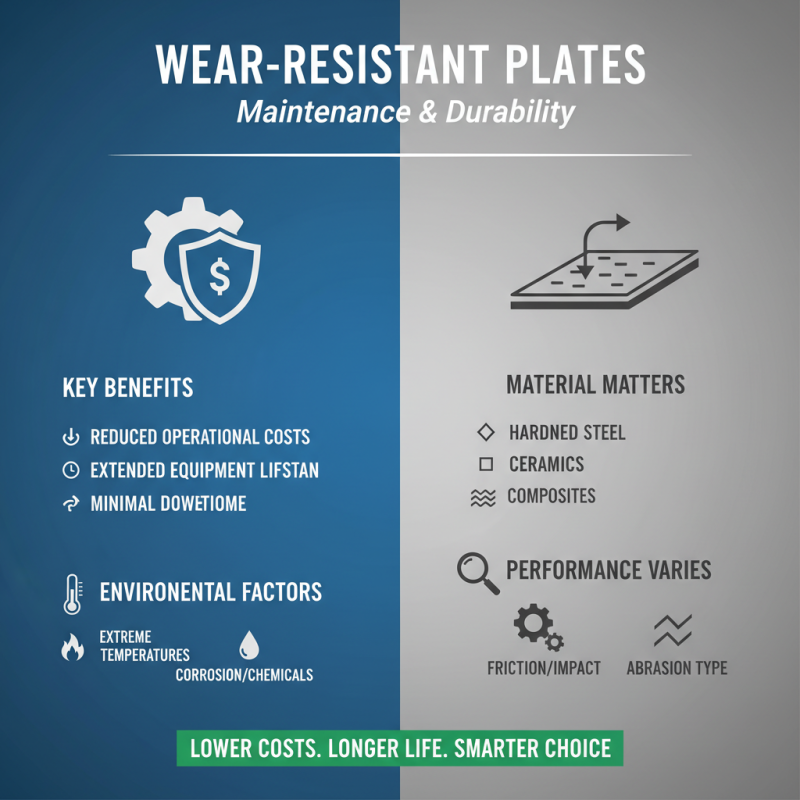
Wear resistant plates are vital in various industries, particularly for their maintenance and durability considerations. These plates reduce wear and tear, leading to lower operational costs over time. The materials used are essential for longevity. However, not all plates perform equally under different conditions. For example, exposure to extreme temperatures can affect their effectiveness.
Regular inspections are crucial to ensure these plates maintain integrity. Small cracks or corrosion can lead to significant issues if not addressed early. Cleaning the surface regularly can prevent buildup that may cause premature wear. Operating environments also play a role. High-impact scenarios can lead to unexpected failures.
Choosing the right wear resistant plate is not always straightforward. Factors like load, environment, and usage intensity must be considered carefully. Evaluating different materials and designs ahead of time is key. A lack of attention to detail can result in costly repairs or replacements. It's essential to reflect on past experiences to make informed decisions.