Why Choose Brass Elbow Fittings for Your Plumbing Needs?
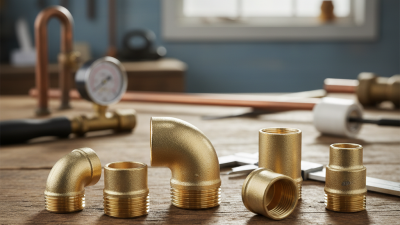
In the realm of plumbing, selecting the right materials can significantly impact system longevity and efficiency. Brass elbow fittings have emerged as a favored choice among professionals, thanks to their strength and adaptability. According to industry reports, brass fittings account for nearly 40% of the plumbing market due to their resistance to corrosion and ability to withstand high pressure.
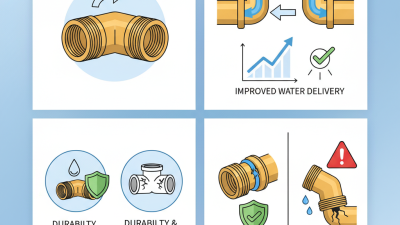
One prominent benefit of brass elbow fittings is their durability. Unlike plastic or even some steel alternatives, brass is less prone to damage under extreme conditions. This reliability is crucial in plumbing systems, where leaks can lead to costly repairs. However, the initial cost of brass fittings may deter some. It’s essential to consider the long-term savings on repairs and replacements. Investing in quality fittings can reduce future headaches.
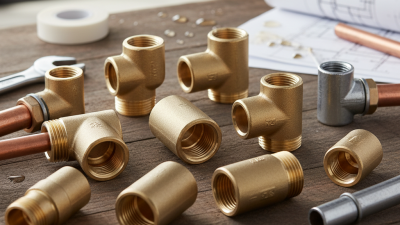
Additionally, professional plumbers increasingly trust brass fittings for their versatility. They can connect various pipe types, making them suitable for diverse applications. Yet, it’s worth noting that not all brass fittings are created equal. Variations in quality and manufacturing standards exist. Functionality and effectiveness must be evaluated continuously amidst evolving regulations and materials. Thus, understanding the nuances in brass elbow fittings becomes vital in decision-making.
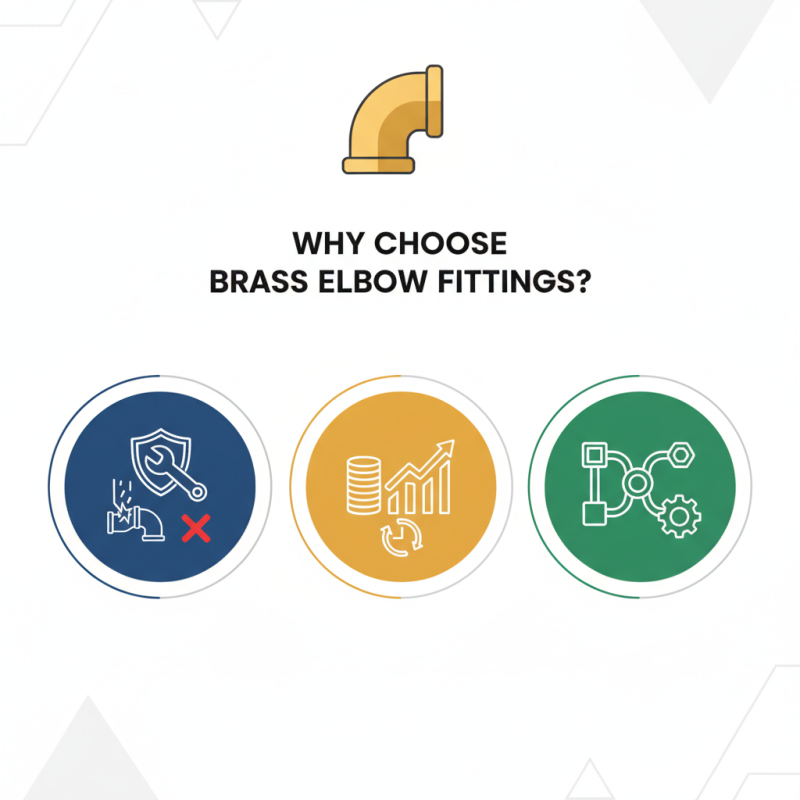
Benefits of Brass Elbow Fittings in Plumbing Applications
Brass elbow fittings are widely used in plumbing, and for good reason. These fittings offer excellent durability and corrosion resistance. They can withstand high pressure and extreme temperatures, making them ideal for a variety of applications. The longevity of brass reduces the need for frequent replacements, saving both time and money.
In addition to their strength, brass elbow fittings provide exceptional sealing capabilities. They create a tight bond that helps prevent leaks. This is crucial in maintaining an efficient plumbing system. Installing a brass fitting may require specific skills, as improper installation can lead to issues. Many DIY enthusiasts might overlook this crucial step.
Another factor to consider is the aesthetic appeal of brass. Their shiny finish adds a touch of sophistication to any plumbing setup. However, brass does require maintenance to retain its luster. Some users might find the upkeep cumbersome. It's essential to weigh the benefits against potential downsides when choosing brass elbow fittings for your plumbing needs.
Benefits of Brass Elbow Fittings in Plumbing Applications
Durability and Corrosion Resistance of Brass vs. Other Materials
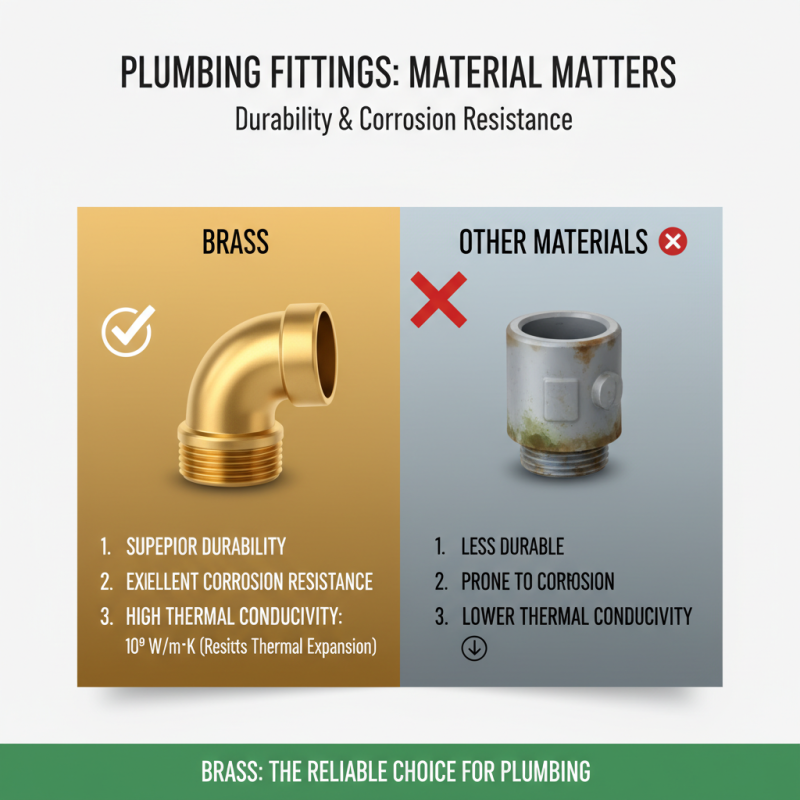
When considering plumbing fittings, the choice of materials is crucial. Brass elbow fittings stand out due to their durability and resistance to corrosion. According to industry reports, brass has a thermal conductivity of 109 W/m·K, which enhances its ability to withstand thermal expansion. This property is vital in plumbing systems where temperature variations are common.
In contrast, materials like PVC or aluminum can degrade over time. Brass resists corrosive elements found in water and chemicals. A study from the Copper Development Association highlighted that brass can last over 50 years in harsh conditions, while other materials may corrode within a decade. This longevity means fewer replacements and lower long-term costs, an appealing aspect for both homeowners and professionals.
Yet, challenges exist. Brass fittings can be pricier upfront compared to other options. This cost may deter some buyers. However, considering the lifespan and overall performance, brass often justifies the investment. The initial expense can lead to significant savings over time, especially in regions with hard water. Thus, brass elbow fittings often balance cost and performance effectively in plumbing applications.
Cost Efficiency: Analyzing the Long-Term Savings of Brass Fittings
Brass elbow fittings
are becoming a popular choice for plumbing systems, especially when considering
long-term costs.
These fittings have excellent durability and resistance to corrosion. This means fewer replacements over time.
Homeowners can save money in the long run. However, initial costs can be higher than alternatives.
This may lead some to overlook their benefits.
Longevity is a crucial aspect.
Brass fittings can last for decades with proper installation. They provide strong seals, minimizing leaks and water loss.
When leaks occur, they often lead to costly repairs. Investing in brass pays off.
It’s essential to consider not only the upfront cost but also the potential savings from reduced maintenance.
Quality matters.
Not all brass fittings are created equal. Some may not meet standard specifications.
It’s vital to choose reputable sources when purchasing. This ensures reliability and performance.
Skimping on quality may seem money-saving initially, but it can lead to more headaches and expenses over time.
Always balance cost with quality for the best outcome.
Industry Standards and Certifications for Brass Plumbing Products
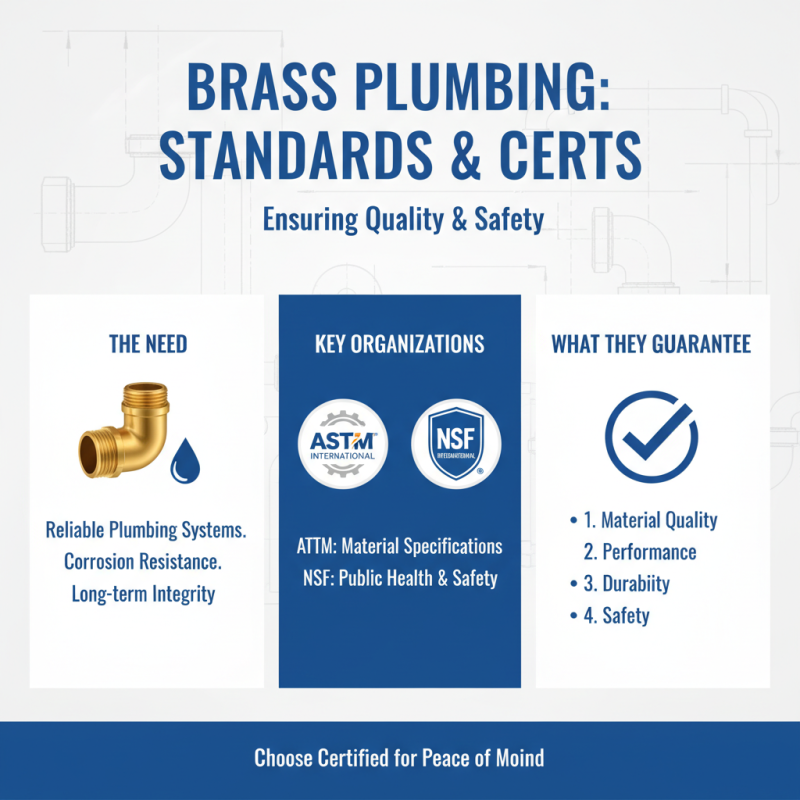
When considering plumbing needs, understanding industry standards for brass elbow fittings is crucial. These fittings often meet rigorous criteria set by institutions. Certifications from organizations like ASTM and NSF ensure their quality and safety. These standards guarantee that the fittings resist corrosion. They maintain integrity over time, providing reliable solutions for plumbing systems.
Brass is chosen for its durability, but not all products are equal. Some manufacturers may cut corners to save costs. This can lead to issues down the line, such as leaks or plumbing failures. It’s important to review certification labels before purchasing. Look for fittings that comply with local codes and safety regulations. Familiarity with these certifications can influence your decision.
Not every plumbing project is the same. Different environments may require specific fittings. For example, high-temperature applications might need unique specifications. Always consider the specific demands of your project. It's essential to ensure that your choices will hold up under pressure and temperature variations as well. Balancing quality and cost can be challenging, but prioritizing certified products often pays off in the long run.
Environmental Impact of Using Brass in Plumbing Systems
Brass elbow fittings are often favored in plumbing systems due to their durability and environmental benefits. The use of brass helps reduce the overall carbon footprint of plumbing projects. Unlike many plastic alternatives, brass is a recyclable material, making it eco-friendly. When disposed of properly, brass can be repurposed, minimizing waste and conserving resources. This quality exemplifies responsible plumbing choices aligned with sustainability goals.
Here are some tips for using brass fittings effectively. Choose fittings that match your pipe sizes for a secure fit. Regularly inspect brass connections for corrosion signs. While brass resists rust, it can still corrode under specific conditions. Ensure your plumbing system maintains optimal water quality to enhance component longevity.
Consider the long-term value of brass. Though initial costs may be higher than plastic, durability leads to savings over time. Investing in quality brass fittings can reduce the frequency of replacements. This choice supports a sustainable plumbing system, contributing to environmental health. Always weigh the benefits against the shortcomings of available materials.
Why Choose Brass Elbow Fittings for Your Plumbing Needs? - Environmental Impact of Using Brass in Plumbing Systems
| Feature |
Brass Elbow Fittings |
Alternative Materials |
| Durability |
Highly durable, lasts over 50 years |
Lower durability, may corrode faster |
| Environmental Impact |
Recyclable and minimizes environmental footprint |
Less recyclable, potential for higher environmental impact |
| Cost-Effectiveness |
Higher initial cost, but long-term savings |
Lower initial cost but more frequent replacements |
| Heat Resistance |
Excellent resistance to high temperatures |
Varies significantly, some materials can deform |
| Water Quality |
Does not leach harmful chemicals |
Can leach chemicals, potentially affecting water quality |