How to Choose the Right Chromium Carbide Plate for Your Needs?
Choosing the right Chromium Carbide Plate can be a challenge. It involves understanding your specific needs and the properties of the plates. Expert engineer Dr. John Smith emphasizes, "Selecting the right material is crucial for maximizing performance and longevity."
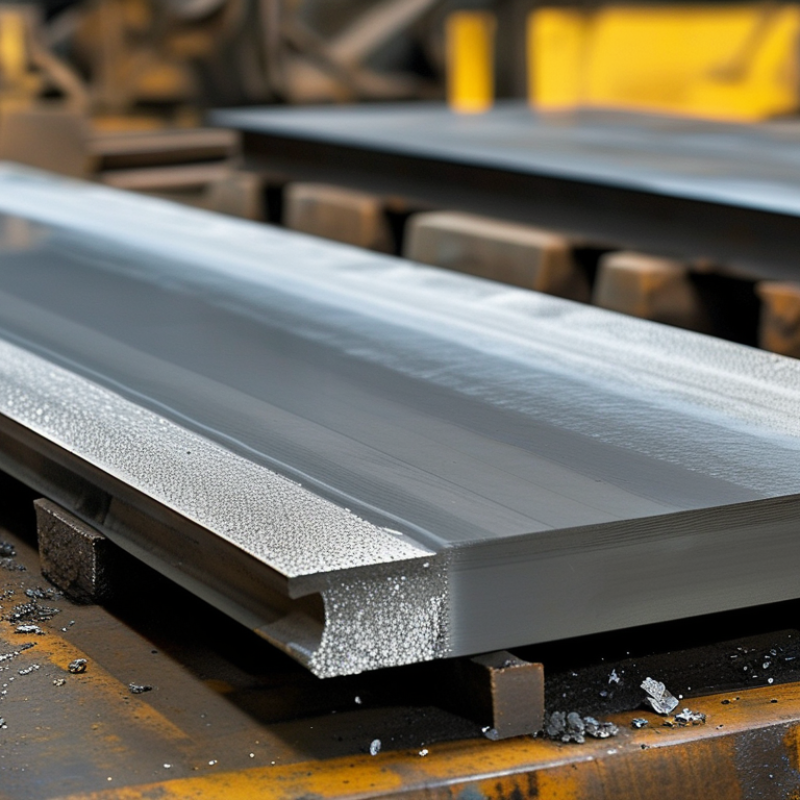
Chromium Carbide Plates are known for their hardness and wear resistance. These qualities make them ideal for a variety of applications, from mining to construction. However, not all plates are created equal. Factors such as thickness, composition, and surface finish can significantly impact their effectiveness.
Many buyers overlook the importance of these details. A common mistake is assuming that a thicker plate is always better. Sometimes, a thinner plate with the right composition performs better. Reflecting on your specific application is essential. Making informed choices will lead to improved outcomes and cost savings in the long run.
Factors to Consider When Selecting Chromium Carbide Plates
Selecting the right chromium carbide plate is crucial for various industrial applications. Several factors play a significant role in making this choice. Understanding the hardness of the plate is essential. Hardness directly affects wear resistance, which is vital for high-impact environments. Testing different hardness levels can lead you to optimal performance.
Thickness also matters. Thicker plates may provide better durability but can be heavier and more difficult to handle. Balancing weight with sturdiness is essential. Additionally, consider the shape you need. Plates come in various configurations, each suitable for different applications. It’s important to assess your operational environment before making a decision.
Lastly, pay attention to the manufacturing process. Different techniques can affect the quality and performance of the plates. Research reputable sources and seek expert opinions to guide your selection. Remember, what works for one situation may not work for another. Each project may require a reconsideration of these factors, so stay flexible and open to adjustments.
Understanding the Different Grades of Chromium Carbide Plates
When choosing chromium carbide plates, understanding their grades is crucial. Different grades offer varying hardness levels and wear resistance. The hardness is often measured in HRC. A higher number indicates a tougher plate. Typically, the grades are designated with a number and letter, which describe their specific properties.
For instance, some plates are designed for high-impact applications. Others focus on abrasion resistance. Each grade serves unique purposes in industries like mining, construction, and manufacturing. Users must assess their specific needs carefully.
Consider the operational environment where the plates will be used. A plate may perform well under controlled conditions, but its effectiveness can diminish in extreme situations. Additionally, engaging with suppliers can help clarify confusing specifications. Their insights can guide you in selecting the right grade for your application. Consulting experts can also shed light on long-term performance expectations.
Applications of Chromium Carbide Plates in Various Industries
Chromium carbide plates find applications across various industries due to their excellent wear resistance and hardness. In the mining sector, these plates protect equipment from abrasive materials. They endure impact and friction, leading to longer equipment life. For example, conveyor belts coated with chromium carbide plates show less wear, resulting in fewer replacements.
In the construction industry, chromium carbide plates are valuable for heavy machinery. They shield critical components from wear and tear, ensuring dependability on job sites. The plates can be found on bucket teeth and other exposed parts. However, selecting the proper thickness and composition is crucial. Differing environments require different specifications; an inappropriate choice may lead to premature failure.
The energy sector also utilizes these plates in power plants. Here, they guard against corrosion and wear caused by harsh conditions. Nonetheless, the installation process can be complex. Proper care is needed to ensure correct fitting to prevent issues. Overall, while chromium carbide plates offer great benefits, understanding specific requirements is essential for optimal performance.
How to Choose the Right Chromium Carbide Plate for Your Needs? - Applications of Chromium Carbide Plates in Various Industries
| Industry |
Typical Application |
Thickness (mm) |
Hardness (HRC) |
Temperature Resistance (°C) |
| Mining |
Chute liners, bucket edges |
10 |
60 |
600 |
| Construction |
Wear plates, cutting edges |
8 |
58 |
500 |
| Agriculture |
Tillage and soil preparation tools |
5 |
57 |
400 |
| Steel Manufacturing |
Ladle liners |
12 |
62 |
700 |
| Recycling |
Shredder wear parts |
15 |
64 |
600 |
Evaluating the Properties and Performance of Chromium Carbide Plates
When evaluating chromium carbide plates, consider key properties that influence performance. Hardness is a vital factor, as these plates are designed for wear resistance. A hardness rating of over 60 HRC is often recommended for high-impact applications. This means the plates can withstand severe abrasive conditions without significant wear.
Thermal stability is another important aspect. Chromium carbide plates maintain their integrity under high temperatures, making them suitable for industrial applications. However, some plates may experience warping or cracking if subjected to rapid thermal cycling. Conducting thorough tests can prevent costly failures.
Beyond technical specifications, assessing the manufacturing process is essential. Plates produced with advanced techniques often show better uniformity and durability. Variations in production can lead to inconsistent quality, impacting performance. Understanding these nuances can guide you in selecting the right plate for your specific needs.
Comparison of Chromium Carbide Plate Properties
This chart presents a comparison of important properties of chromium carbide plates, including hardness, tensile strength, impact toughness, and wear resistance. These properties are crucial for selecting the right plate for specific industrial applications.
Maintenance and Care Tips for Chromium Carbide Plates
Maintaining chromium carbide plates is crucial for optimal performance. Regular cleaning prevents buildup of debris. Use a soft brush or cloth to wipe the surface after each use. This simple ritual keeps the plates effective and extends their lifespan.
Inspect the plates frequently for wear or damage. Small cracks can turn into larger issues. Identify problems early helps in arranging repairs or replacements. Proper storage also plays a role. Store plates in a dry environment to prevent corrosion. Avoid stacking heavy items on top; this can cause deformation.
Observe how the plate performs over time. If you notice a decline in efficiency, it might need professional assessment. Understanding these maintenance steps ensures that your chromium carbide plates serve their purpose effectively. With mindful care, these plates remain reliable tools, adapting to various applications.