How to Choose the Right CPVC Threaded Elbow?

Choosing the right Cpvc Threaded Elbow is not simply a matter of matching pipe size. The fitting must suit pressure, temperature, thread type, installation space, and the chemical conditions around the system. A small mismatch can cause leaking threads, stress marks, or premature failure behind a wall.

CPVC technical specialist Michael E. Ganter offers a practical reminder: “A threaded joint depends on alignment, restraint, and patience—not force.” That advice reflects real installation experience. Excessive tightening may crack the fitting, especially when a metal thread meets a CPVC body. The correct sealant also matters. Some thread compounds can damage CPVC, even when the joint looks properly sealed.

A reliable selection process begins with the application. Check the nominal size and confirm whether the connection uses NPT threads. Review the manufacturer’s pressure and temperature ratings. Then inspect the elbow’s socket depth, thread quality, and material consistency. A crowded cabinet may require a compact 90-degree design. A pump connection may need extra support to reduce vibration.

Do not ignore the pipe schedule. It can affect compatibility and flow. Installation tools matter, too. Hand-tightening followed by limited wrench adjustment is often safer than aggressive tightening. Still, every manufacturer may specify a different method. That is where this guide needs careful judgment. Product labels, engineering data, and local plumbing requirements should remain the final authority when choosing a Cpvc Threaded Elbow.
How to Choose the Right CPVC Threaded Elbow?

Understanding CPVC Threaded Elbow Design and Applications

How to Choose the Right CPVC Threaded Elbow?

Understanding CPVC Threaded Elbow Design and Applications

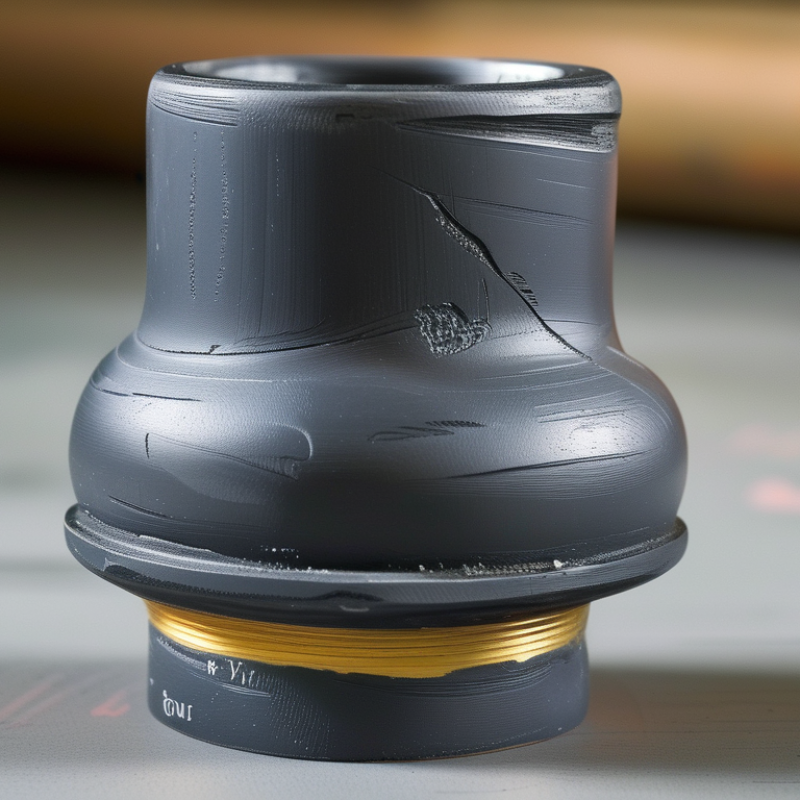
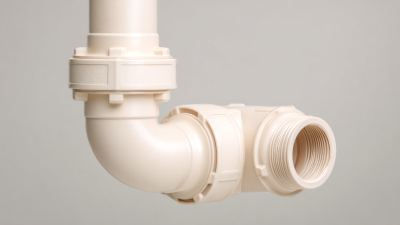
A CPVC threaded elbow changes pipe direction while connecting threaded equipment or metal fittings. Its design usually combines a solvent-weld socket with female or male threads. This hybrid structure needs careful selection. ASTM F437, F438, and F439 define performance requirements for CPVC threaded fittings and related systems. A 2024 global CPVC market assessment projects roughly 6% annual growth through 2030, driven largely by building and industrial applications. That growth increases the need for better installation decisions.

In field work, I check thread type, angle, pressure rating, and temperature limits before choosing an elbow. A 90-degree elbow suits tight corners. A 45-degree elbow reduces abrupt flow changes. Female threads often connect valves, gauges, or metallic adapters. Use only a compatible thread sealant, and avoid excessive wrench force. CPVC can crack under concentrated stress. It may look strong. It is not careless-proof.

Applications include cold-water plumbing, hot-water distribution, chemical drainage, and selected fire-protection systems. Always verify the local listing for fire use. ASTM standards do not replace project approval requirements. Pressure ratings also change with temperature, so a fitting rated at room temperature may perform differently in hot service. I once focused only on pipe size and missed thermal movement near a water heater. That mistake reminded me to inspect support spacing, alignment, and expansion allowances. For reliable selection, compare the elbow’s material grade, thread geometry, solvent compatibility, and operating conditions against the complete system design.
Checking CPVC Material Standards and Temperature Ratings

How to Choose the Right CPVC Threaded Elbow?

Checking CPVC material standards and temperature ratings should come before comparing elbow shapes. ASTM F437 covers CPVC threaded fittings, including dimensions, pressure performance, and workmanship. The compound should also meet ASTM D1784 requirements, commonly shown through cell classification 23447. That number is useful. However, it does not replace a product-specific rating.

Ratings are conditional. CPVC systems are commonly designed for service temperatures up to 200°F (93°C), but allowable pressure decreases as temperature rises. PPI TR-4 publishes material-specific hydrostatic design data, showing why engineers should check the exact compound and temperature column. An elbow rated at room temperature may not carry the same pressure near 180°F. That small detail can cause a large installation error.

Thread engagement deserves practical attention. A metal male thread can damage the CPVC female thread when overtightened. Use compatible sealing material, align the fitting by hand, and stop when resistance becomes firm. I have seen leaks begin beside a clean-looking elbow because the installer trusted torque instead of the fitting instructions. Also verify NSF/ANSI/CAN 61 certification when the line carries drinking water. ASTM compliance alone does not confirm every intended service. Rechecking temperature, pressure, thread type, and certification feels slow, but skipping one is usually slower.

Selecting the Correct Elbow Size, Thread Type, and Angle

Choosing the correct CPVC threaded elbow starts with size. Match the elbow to the pipe’s nominal diameter, not its outside measurement. A ¾-inch pipe needs a ¾-inch fitting. Check the pipe schedule and pressure rating too. ASTM F437 covers many CPVC threaded fittings, while ASTM F441 covers CPVC pipe dimensions. These standards reduce guessing during installation.

Thread type matters just as much. ASME B1.20.1 defines NPT dimensions commonly used in North American piping. Confirm whether the elbow has male or female threads. A male-to-female connection can simplify equipment alignment. Never force mismatched threads. They may feel tight, yet still leak under pressure. Use compatible thread sealant approved for CPVC service. Temperature also changes performance. The Plastics Pipe Institute’s thermoplastic piping guidance shows that pressure capacity decreases as operating temperature rises. Review the fitting’s technical data before selecting a hot-water application.

Angle affects flow direction and maintenance access. A 90-degree elbow makes a sharp turn and suits tight corners. A 45-degree elbow creates a gentler route and may reduce turbulence. ASHRAE design guidance recommends checking velocity, friction loss, and available space together. Field experience suggests measuring twice, especially near valves or pumps. I still find compact layouts tempting, but they can leave no room for tool clearance.

Tips: Verify size, thread gender, angle, temperature rating, and pressure rating on the same drawing. Photograph existing connections before ordering. Small errors become expensive leaks.

Matching Pressure Requirements with System Compatibility

How to Choose the Right CPVC Threaded Elbow?

Matching Pressure Requirements with System Compatibility

Choosing a CPVC threaded elbow starts with pressure, not appearance. Check the system’s design pressure and operating temperature. CPVC pressure capacity can decrease as temperature rises. A fitting suitable at 73°F may need a lower rating at 140°F. Verify the published pressure-temperature chart. Do not guess.

Thread compatibility matters just as much. Match the elbow’s thread type, size, and connection standard with the mating valve or adapter. CPVC threaded fittings require careful installation to prevent stress and cracking. Use a sealant approved for CPVC. Excessive tightening is a common field mistake. Stop when the joint is secure and aligned.

Review chemical exposure, flow conditions, and installation space before selecting the fitting. Some fluids can affect CPVC, even when pressure seems acceptable. Consider vibration, thermal expansion, and support near the threaded connection. A short elbow may fit neatly but restrict tool access. Field experience shows that forced alignment can cause later failures. That detail is easy to overlook. Record the fluid, temperature, pressure, thread standard, and inspection results. If any point remains uncertain, consult a qualified engineer or technical documentation.

How to Choose the Right CPVC Threaded Elbow?

Match the elbow’s pressure capability with the system’s operating temperature and pressure. As temperature increases, the allowable CPVC pressure is reduced by a temperature derating factor.

Reference values shown are typical CPVC thermoplastic derating factors used for preliminary selection: 1.00 at 73°F (23°C), declining as temperature rises. Select a threaded elbow whose pressure rating, thread standard, connection size, and fluid compatibility meet the applicable product standard and local code. Final verification should use the specific fitting’s published rating.

Verifying Installation, Sealing, and Long-Term Performance

How to Choose the Right CPVC Threaded Elbow?

Verifying Installation, Sealing, and Long-Term Performance

A CPVC threaded elbow should match the pipe size, thread standard, temperature rating, and fluid service. Check every marking before installation. The fitting must sit squarely, without forcing the pipe into alignment. A slight bend can place constant stress on the joint.

Clean, dry threads matter. Use a sealing material approved for CPVC and the intended service. Apply thread tape in the tightening direction, keeping the first thread clear. Too much tape can split the fitting. Too much force can damage it.

Hand-tight first.

Use a wrench only for final tightening. Stop when the joint is secure and correctly aligned. Do not treat extra turns as extra protection. In field inspections, leaks often come from over-tightened plastic threads, not insufficient force. I have also seen installers skip a dry fit, then discover poor access after solvent cementing.

Allow the joint to cure according to the applicable instructions and site conditions. Avoid pressure testing too early. Test gradually, inspect each threaded connection, and look for movement, dampness, or stress marks. During service, protect the elbow from impact, freezing, excessive heat, and unsupported pipe weight. Recheck exposed systems after initial operation. A joint may pass its first test yet loosen when temperature changes. That detail is easy to overlook.