Why Choose the Right Flange Manufacturer for Your Needs?
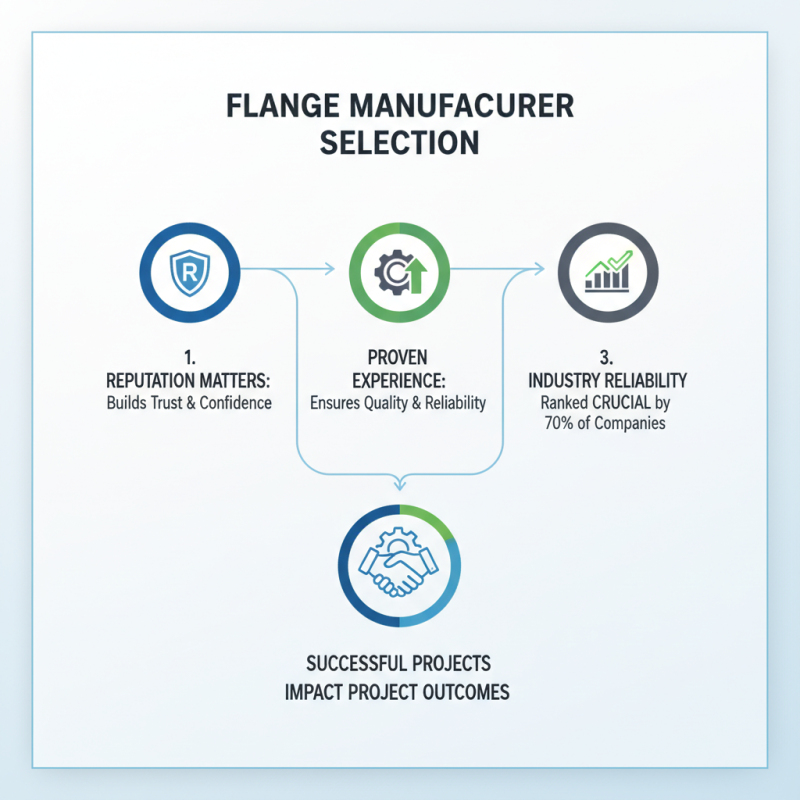
Choosing the right flange manufacturer is crucial for various industries, including oil and gas, construction, and manufacturing. Accurate statistics show that approximately 90% of industrial failures result from improper equipment use or poor quality components. Flange quality plays a pivotal role in system integrity. A reputable flange manufacturer ensures superior materials and precision engineering to meet industry standards.
When selecting a manufacturer, consider their experience and expertise. A company with over 20 years in the industry typically demonstrates reliability and knowledge. It's also beneficial to choose a manufacturer that adheres to international standards, such as ASTM or ASME. Inconsistent quality can lead to costly downtime for projects. Manufacturers with a strong track record often provide materials backed by certifications, enhancing their credibility.
However, not all manufacturers are created equal. Some may prioritize cost over quality. This can result in issues such as leaks or equipment failure. It's essential to conduct thorough research and gather reviews from previous customers. Exploring even small details, such as customer service, can provide insights into a manufacturer's commitment to quality. The right flange manufacturer not only meets your specifications but also safeguards your project's success.
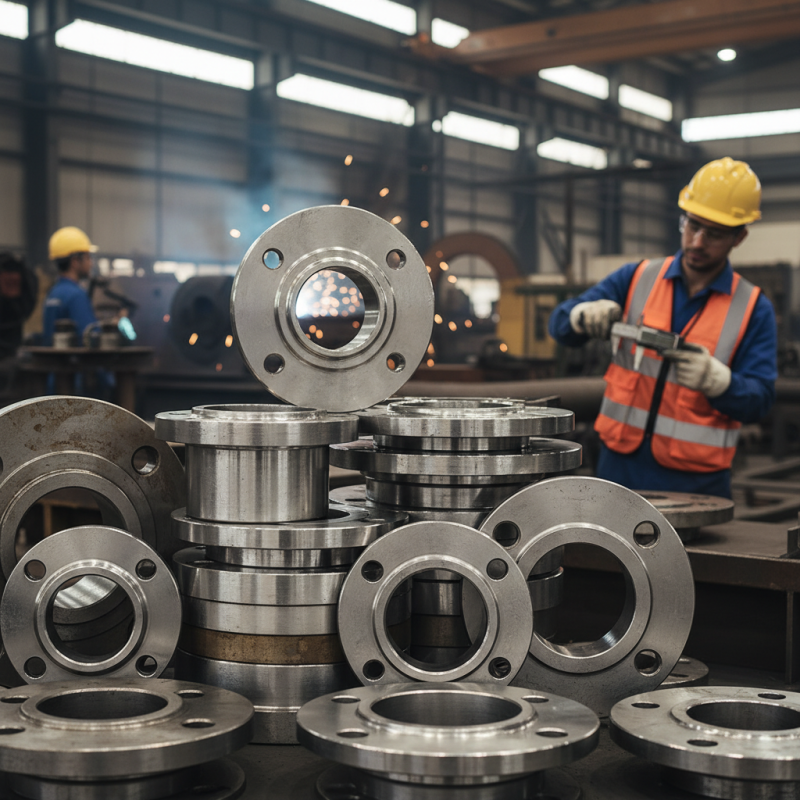
Understanding the Importance of Flange Quality in Industrial Applications
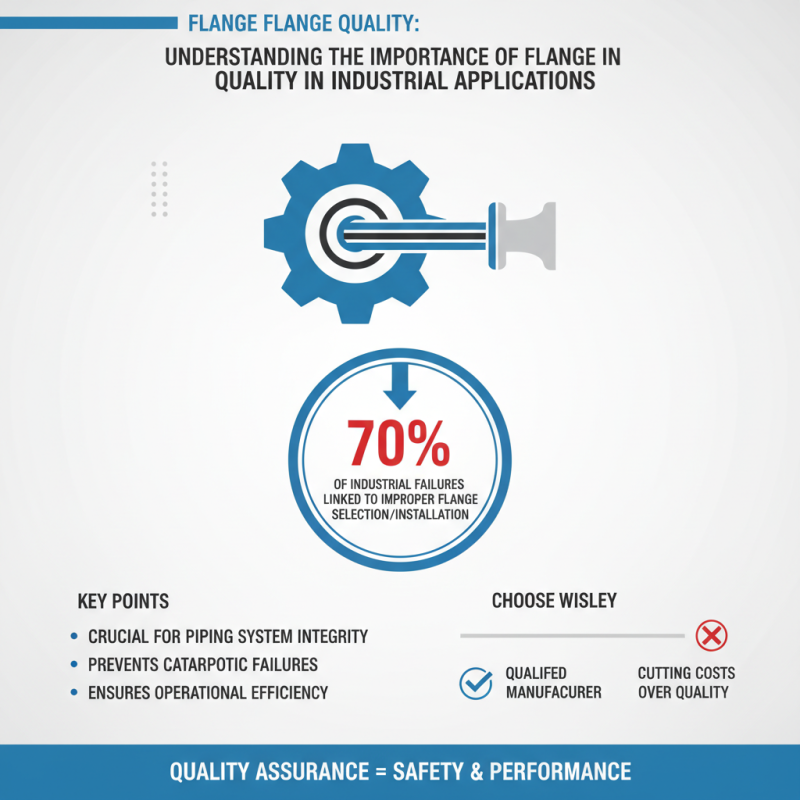
Choosing the right flange manufacturer is crucial for industrial applications. Flanges play a vital role in ensuring the integrity of piping systems. According to industry reports, approximately 70% of industrial failures are linked to improper flange selection or installation. This highlights the need for quality assurance during the procurement process.
The material composition of flanges significantly affects their performance. For instance, carbon steel flanges are commonly used in water and natural gas systems. In contrast, stainless steel flanges excel in corrosive environments. Understanding these differences helps in selecting the appropriate type for specific applications.
Tips: Always request certification documents. Ensure that the manufacturer complies with industry standards.
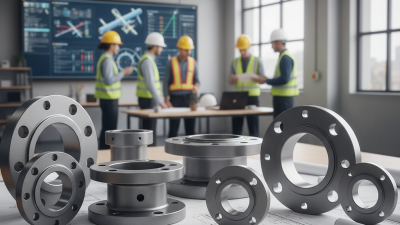
Quality control is another critical aspect. A reliable manufacturer should possess ISO certifications. They should also conduct rigorous testing, such as hydrostatic and non-destructive examinations. However, a lack of transparency in testing methods can raise concerns. Always inquire about the testing processes used by the manufacturer.
Tips: Conduct audits if possible. It builds trust and ensures compliance with safety standards.
Key Factors to Consider When Choosing a Flange Manufacturer
Choosing the right flange manufacturer is crucial for maintaining project integrity. Various factors influence this decision. The first is experience. Manufacturers with years in the business often have deeper knowledge. This experience can lead to better quality control and product reliability.
Another key factor is the materials used. According to recent industry reports, around 30% of flange failures are due to subpar materials. Ensure the manufacturer adheres to applicable standards. Certifications like ASTM or ASME can indicate a commitment to quality. It's important to verify the manufacturer's supply chain. A reliable source for raw materials reflects on the final product.
Lead time is also essential. Delays can cost projects significantly. A recent survey indicated that 40% of projects face delays due to supplier issues. Evaluate the manufacturer’s ability to meet deadlines. Ask for details on their production capacity. This insight is vital for planning and ensures project timelines are met.
Assessing Material Selection and Production Capabilities
Choosing the right flange manufacturer hinges on material selection and production capabilities. ASTM standards indicate that different applications require various materials. For instance, carbon steel is prevalent in petrochemical industries, while stainless steel is often vital in food processing. The right choice can significantly affect performance and durability.
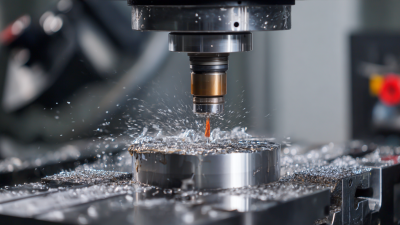
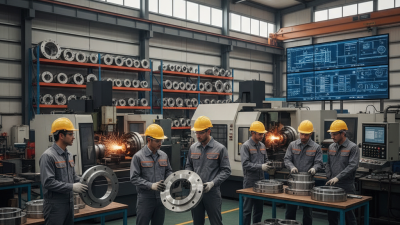
Manufacturers should demonstrate advanced production capabilities. CNC machining and welding technologies are critical. According to ISO certifications, a reliable manufacturer maintains strict quality controls throughout the production process. Precision can ensure that flanges fit perfectly, reducing the risk of leaks.
However, not every manufacturer meets these standards. Sometimes, cost-cutting leads to inferior materials. A lack of transparency in sourcing can also raise red flags. Potential buyers should ask for documented evidence of material certifications. Engaging with manufacturers who prioritize quality over quantity often yields better results. In the long run, selecting the right partner saves time and resources, despite potential initial hurdles.
Why Choose the Right Flange Manufacturer for Your Needs?
| Manufacturer Location |
Material Types Offered |
Production Capabilities |
Quality Certifications |
Lead Time (Weeks) |
| USA |
Carbon Steel, Stainless Steel, Alloy Steel |
CNC Machining, Stamping |
ISO 9001, ASME |
4 |
| Germany |
Ductile Iron, Bronze, Aluminum |
Casting, Forging |
DIN EN ISO 9001, TÜV |
5 |
| China |
Stainless Steel, Plastic, Composite Materials |
Welding, Machining |
ISO 14001, API |
6 |
| India |
Carbon Steel, Stainless Steel |
Fabrication, Laser Cutting |
ISO 9001, PED |
3 |
| Japan |
High Alloy Steel, Nickel Alloys |
Milling, Turning |
JIS, ISO 9001 |
7 |
The Role of Customization and Customer Support in Flange Manufacturing
Choosing the right flange manufacturer is vital for meeting specific requirements. Customization can greatly impact the performance and longevity of flanges. A manufacturer that specializes in custom solutions understands diverse needs. They can create flanges tailored to unique specifications. This flexibility can enhance system efficiency.
Customer support is equally important in flange manufacturing. Having responsive support helps address concerns promptly. Manufacturers should offer guidance during the selection process. It's crucial to have reliable communication before and after production. A good support team can help troubleshoot issues. This aspect is often overlooked but is essential for a smooth operation.
Tips: Always ask about customization options. Know the limitations before designing your flanges. Effective communication can save time and resources. Make sure your manufacturer values feedback. This will help you improve product quality in future projects. A blend of support and customization leads to better outcomes.
Importance of Customization and Customer Support in Flange Manufacturing