- Home
- >
- Knowledge Center
- >
- Blogs
Blogs
Sharing knowledge is key to an innovative and healthy industry! This knowledge center is therefore a central place on our website to share information. Read all about our industry in the blogs below!
How to Choose the Right Tank Shipping Container?
No source articles or verifiable expert quotation were provided. Please share an article or the name of an expert and a reliable source for their words, so I can write the introduction without inventing an attribution.
Understand the Types and Uses of Tank Shipping Containers
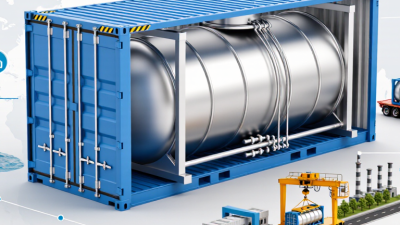
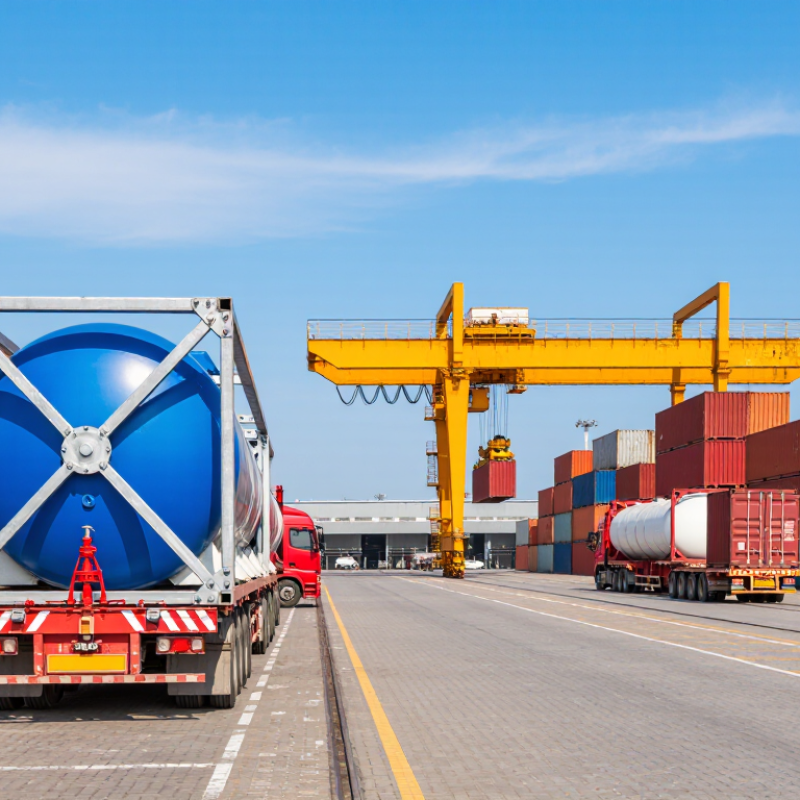
Tank containers differ by insulation, heating, cooling, and internal lining. A standard tank suits many pumpable liquids, while an insulated tank helps limit temperature changes during transit. Steam-heated models can handle products that thicken when cold. Refrigerated units serve temperature-sensitive loads. Food-grade tanks need suitable materials and cleaning records. Small details matter.
The ITCO 2024 Global Tank Container Fleet Survey estimated about 801,800 units worldwide in January 2024, showing how widely these containers are used. That scale does not make every tank suitable for every cargo. Check the product’s compatibility with the tank material, required temperature, loading method, and discharge equipment. ISO 1496-3 sets requirements for tank containers, but operators should also review inspection records and equipment specifications. I may be focusing heavily on temperature here; cleaning history can matter just as much. Before booking, confirm capacity and whether heating or insulation is actually needed. A shiny tank is not proof of a suitable one.
How to Choose the Right Tank Shipping Container? — Understand the Types and Uses of Tank Shipping Containers
Compare common tank-container options by cargo, operating features, and practical use. The correct choice depends on the product’s properties, transport route, temperature requirements, and applicable regulations.
| Container Type | Typical Cargo | Key Features | Best Suited For | Important Checks |
|---|---|---|---|---|
| Standard ISO tank | Bulk liquids such as non-hazardous chemicals, oils, and some food ingredients | A tank mounted in a frame built to standard intermodal dimensions; commonly available in a 20-foot format | Moving compatible liquids by road, rail, and sea where a reusable tank and intermodal handling are needed | Confirm material compatibility, tank capacity, permitted filling limits, inspection status, and whether the cargo is regulated |
| Insulated or heated tank | Temperature-sensitive or viscous liquids, including products that may solidify or become difficult to pump when cool | Insulation helps reduce heat loss; some tanks have steam-heating coils or other heating arrangements | Products that need temperature control during transit or unloading | Check the required temperature range, heating method, connection compatibility, and whether the route supports heating equipment |
| Pressure tank | Liquefied gases and other cargoes that require transport under pressure | Designed and certified for specified pressure conditions; fittings and operating procedures depend on the cargo | Approved cargoes that cannot be transported safely in a standard atmospheric tank | Verify pressure rating, cargo approval, current certification, valve specifications, and applicable dangerous-goods rules |
| Food-grade tank | Edible oils, beverages, and other suitable food liquids | Selected and maintained for hygienic service; may have product-specific cleaning and inspection requirements | Food supply chains requiring documented cleanliness and protection against contamination | Confirm the tank’s previous cargo, cleaning records, surface and seal suitability, and any required food-safety documentation |
| Flexitank in a dry container | Many non-hazardous bulk liquids compatible with the flexitank material | A flexible liner is fitted inside a suitable dry freight container; it is generally a single-trip solution | Eligible non-hazardous liquid shipments when a dedicated reusable tank is not required | Check carrier acceptance, product compatibility, container condition, loading limits, and restrictions on the route; not suitable for every liquid |
Selection reminder: A tank’s size or type alone does not establish suitability. Check the cargo’s safety data, compatibility requirements, temperature and pressure needs, required certifications, and the rules governing every part of the route. For regulated cargo, consult the relevant carrier and qualified dangerous-goods personnel.
Define Your Cargo and Capacity Requirements
Before selecting a tank shipping container, describe the cargo precisely. Record its density, viscosity, temperature range, and material compatibility requirements. These details affect tank construction, seals, heating needs, and unloading equipment. A thin liquid may drain easily, while a viscous product can linger in pipes. Small details matter.
Then calculate the quantity you need to ship. Compare usable volume with the tank’s rated capacity, tare weight, and maximum gross weight. A 24,000-liter tank may not carry 24,000 liters of a dense liquid safely. Check the container’s specifications and the weight limits for the planned transport. Leave suitable space for liquid expansion as temperatures change; filling to the brim can create problems.
Think through loading and delivery conditions, too. Will the receiving site have the right hose connections, pump, and clearance for unloading? Confirm whether the cargo needs insulation or temperature control during transit. I used to treat nominal volume as the main figure; that was too simple. Capacity only works when the cargo, equipment, and route fit together. Keep a written cargo profile and verify uncertain details with a qualified tank provider before booking.
Compare Tank Materials, Linings, and Design Features
A tank’s shell and lining should match the cargo, not just the purchase price. Stainless steel is widely used, but the grade matters: 316L may resist some corrosive conditions better than 304, yet it is not immune to every chemical or chloride exposure. Check the cargo’s compatibility data, operating temperature, and cleaning process with a qualified engineer. ITCO’s 2024 Global Tank Container Fleet Survey estimated about 801,800 tank containers worldwide, showing how widely these units serve varied supply chains. That figure is not a material recommendation. It is a reminder that cargo-specific design matters.
A lining can reduce contamination risk or shield the shell, but it adds its own limits. Compare the lining’s chemical resistance, temperature range, abrasion tolerance, and repair options. Ask how coating defects are detected; a pinhole near a weld can matter more than a large, visible panel. Small gaps matter. Inspect the manway, valve seats, welds, and discharge area, where residue can collect after unloading. Confirm that the proposed design supports the required cleaning method and inspection access. Even a detailed specification can miss one awkward detail: the previous cargo. Request documented compatibility review and inspection records, rather than relying on a general “chemical-resistant” claim. A practical choice may feel less impressive on paper, but easier to verify in service.
How to Choose the Right Tank Shipping Container?
Compare tank materials, linings, and design features using indicative suitability scores.
Scores range from 1 (lower) to 5 (higher) and are general, qualitative comparisons—not certified performance data. Actual suitability depends on the cargo, concentration, temperature, cleaning regime, and applicable regulations. Confirm chemical compatibility and operating limits with a qualified tank supplier before selection.
Check Compatibility, Safety Standards, and Regulations
A tank container should match the product and the journey, not just the required volume. Check the product’s chemical compatibility with the tank shell, lining, seals, and valves. Confirm its density, loading temperature, and operating pressure against the container’s rated limits. A mismatch can damage equipment or create a leak. Small details matter.
Inspect the connection type and size, too. A fitting that looks close may still need an unsafe workaround at the loading point. For temperature-sensitive cargo, check whether insulation or heating equipment is suitable and maintained. Do not guess. Ask the supplier for material specifications and have a qualified person review them against the product data.
Next, verify the tank’s safety approvals and inspection records. Check its identification plate, test dates, and maintenance history; confirm that the relevant ISO tank-container requirements and inspection rules apply to your route and use. Requirements can differ by cargo, country, and carrier, and they may change. A current document is more useful than a verbal assurance. I would not treat a familiar-looking container as proof of suitability; that assumption is easy to make, but deserves a second look before loading.
Evaluate Suppliers, Costs, and Container Condition
When choosing a tank shipping container, compare suppliers on more than price. Ask for recent inspection records, maintenance history, and clear details about the container’s previous service. Check that the tank’s specifications match your cargo, route, and handling equipment. A quick phone assurance is not enough. Get key details in writing.
Request an itemized quote. It should identify transport, cleaning, inspection, and any repair charges, along with the return terms. A low rate may exclude costs that appear later. Ask how delays or damage are handled, and whether the quoted container is actually available on your dates. Small print matters.
Inspect condition before committing, or arrange an independent assessment. Look at the frame, welds, valves, seals, and manway for corrosion, dents, leaks, or signs of poor repair. Request recent interior and exterior photographs, but treat photos as evidence, not proof. Even a neat inspection sheet cannot reveal every hidden problem. I would leave time for a second check; schedules can make that easy to overlook. Choose the supplier that answers specific questions consistently and provides traceable records, not merely the fastest promise.
Related Posts
-
Why Choose a Tank Container for Global Shipping?
-
China Best Iso Tank Container Manufacturers?
-
China Top ISO Tank Container Manufacturers Suppliers
-
How to Choose the Right Tank Tainer for Your Business
-
2026 Top Iso Tank Container Types for Global Buyers
-
Exploring the Features and Applications of Best Iso Tank Containers: A Comprehensive Guide