10 Essential Tips for Choosing the Right Chinese Threaded Flange

Choosing the right Chinese Threaded Flange can be a daunting task. With many options available, it's crucial to understand the importance of quality and compatibility. Flanges play a vital role in piping systems, and the wrong choice can lead to leaks or failures.

When selecting a Chinese Threaded Flange, consider the material and pressure ratings. These factors greatly impact performance and safety. Many professionals have encountered issues with mismatched flanges, emphasizing the need for meticulous selection.

Also, it's beneficial to rely on trusted manufacturers and suppliers. Researching their reputation can prevent potential headaches down the line. Remember, a Chinese Threaded Flange might seem simple, but its selection requires careful thought and experience. Missteps here can be costly and time-consuming.
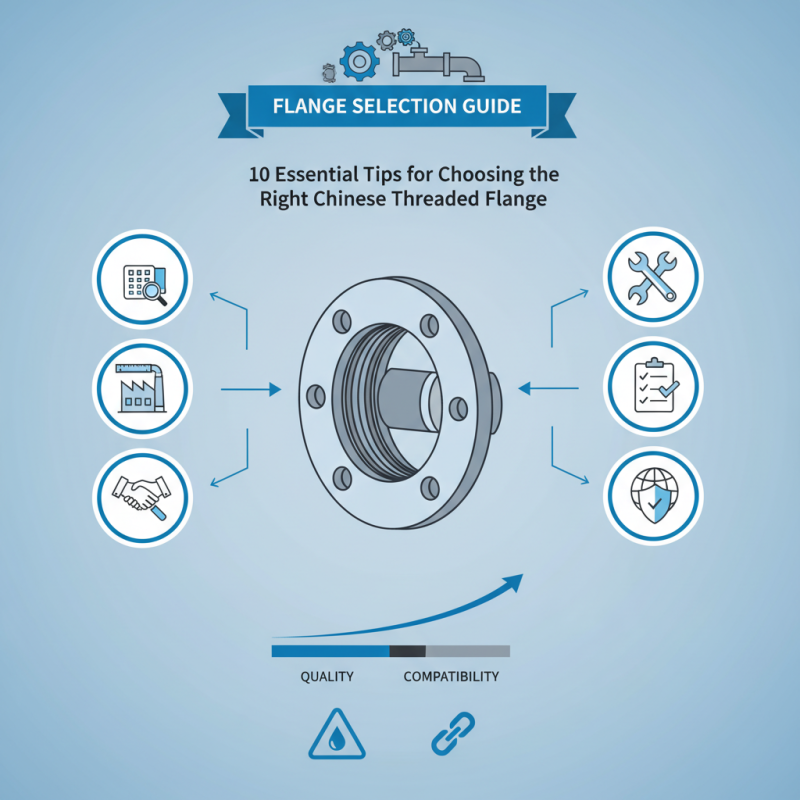
10 Essential Tips for Choosing the Right Chinese Threaded Flange

Understanding the Basics of Chinese Threaded Flanges

When selecting a Chinese threaded flange, understanding its basics is crucial. Threaded flanges serve as critical components in various piping systems. They provide a tight seal that prevents leaks. The design involves an internal thread that allows for easy installation and assembly. However, many overlook the material specifications, which influence durability and performance.

Different applications require specific materials. Stainless steel flanges are common for their resilience. However, not all environments favor this option. Factors like temperature and exposure to corrosive substances must be considered. Additionally, the manufacturing process can vary. Some manufacturers may not adhere to strict quality controls, potentially leading to flaws. Exploring the production techniques behind these flanges can uncover surprising inconsistencies among suppliers.

It’s also vital to recognize the sizes and pressure ratings available. Miscalculating these specifications can lead to significant installation issues. A flange that can't handle the pressure may fail. Reviewing installation instructions is essential, although not all documents are equally clear. Poor guidance may lead to improper fitting, necessitating costly replacements or repairs. Ignoring these details can become a costly oversight in the long run.


10 Essential Tips for Choosing the Right Chinese Threaded Flange

This chart shows the importance rating of various factors to consider when choosing the right Chinese threaded flange. A higher score indicates a greater significance in the selection process.

Key Factors to Consider When Selecting Threaded Flanges

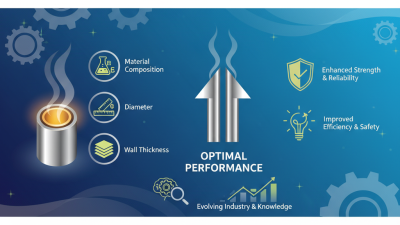
Choosing the right threaded flanges can significantly impact project outcomes. Key factors include material compatibility. Always consider the environment where the flange will operate. High temperatures or corrosive settings necessitate stronger materials. Stainless steel or carbon steel options often stand out for durability.

Another critical factor is the flange size and pressure rating. It’s vital to ensure your selection matches the system's specifications. Sometimes, mismatched components lead to leaks or failures. Pay attention to the thread type as well. There are variations in design that can complicate installation if overlooked.

Installation methods also deserve consideration. Some flanges are easier to install than others. An intricate design may require specialized tools or skills. It's wise to reflect on potential challenges during installation. Engaging with professionals can provide insights, but always perform due diligence. Balancing these factors can ensure a reliable and effective setup.

10 Essential Tips for Choosing the Right Chinese Threaded Flange

Tip Number Tip Key Considerations Material Type
1 Determine Application Requirements Pressure, temperature, and fluid type Carbon Steel, Stainless Steel
2 Verify Dimensions Ensure correct diameter and thickness Varied based on application
3 Check Industry Standards Compliance with ASME, ANSI, or API Industry-specific materials
4 Inspect Thread Quality Fit and finish to ensure sealing Various alloys
5 Evaluate Flange Face Types Choose between flat or raised faces Material compatibility
6 Assess Performance History Check performance in similar applications Relevant materials
7 Consider Environmental Factors Corrosion resistance, temperature variation Nickel alloys, stainless steel
8 Review Manufacturer Quality Control Certifications and testing processes Any appropriate material type
9 Compare Pricing Evaluate cost against quality and specifications Applicable materials
10 Look for Supplier Support After-sale service and support options Various options for all materials

Material Choices for Durability and Compatibility

When selecting a Chinese threaded flange, material choice plays a critical role in ensuring durability and compatibility. Common materials include stainless steel, carbon steel, and alloy steel. Each option has unique properties. For instance, stainless steel offers excellent corrosion resistance but can be more expensive. Carbon steel is strong and cost-effective but may require protective coatings in some environments.

Understanding the operating environment is vital. If the flange will face extreme temperatures or corrosive chemicals, an appropriate material must be chosen. This choice can prevent failures and costly downtime. We must also consider the compatibility of the flange with existing piping systems to avoid leakage. It’s common to overlook these factors, leading to potential issues down the line.

Some users may underestimate the importance of thorough testing. Before finalizing any purchase, ask for certifications or test results. This information adds confidence in the chosen materials. However, even with rigorous testing, no material is perfect. Regular maintenance and inspections are necessary to uphold reliability in real-world applications. Understanding these nuances can greatly enhance long-term performance.

Sizing and Specifications: Ensuring the Right Fit

10 Essential Tips for Choosing the Right Chinese Threaded Flange

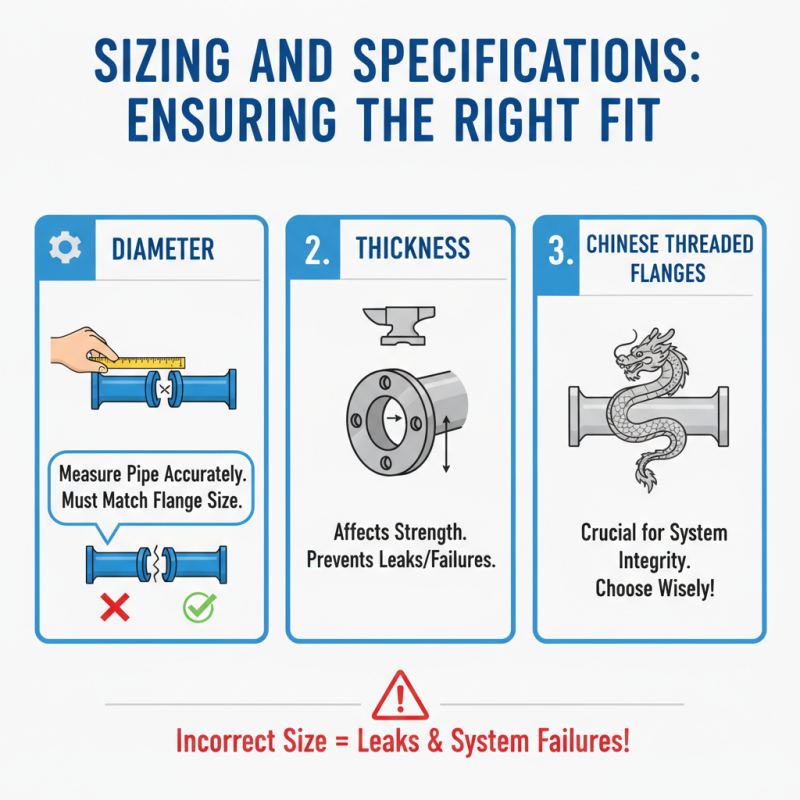
When selecting Chinese threaded flanges, sizing and specifications are crucial. Start with the diameter. Measure the pipe accurately. Each flange must match the pipe size perfectly. An incorrect diameter can lead to leaks and system failures. Pay attention to the thickness of the flange as well. This thickness directly affects the strength.

Consider the pressure ratings too. Different applications require various ratings. Always check the temperature and pressure of your system. They influence the material choice. Low-grade materials can warp under high pressure. It’s essential to avoid compromises in quality and endurance.

Do not overlook the threading specifications. They vary across flanges. Mismatched threads lead to improper fittings. This can cause significant downtime. Review the standard thread types used in your application. It might seem small, but the right fit makes a huge impact. Always double-check every measurement and specification. Small errors can lead to costly mistakes, and reviewing these details is a sign of a reliable choice.

Quality Assurance and Testing Procedures for Threaded Flanges

When selecting a threaded flange, quality assurance is crucial. Proper testing procedures can prevent costly failures. Start with material inspection. Verify the flange's material against industry standards. This ensures durability and performance. A visual inspection can reveal surface flaws. Look for any signs of corrosion or damage.

Next, consider the testing methods used. Hydraulic testing is essential to assess pressure tolerance. This process helps identify leaks and weaknesses. Non-destructive testing (NDT) techniques, such as ultrasonic or radiographic testing, offer deeper insights. They provide assurance that the flange will perform under tough conditions.

Quality certificates from manufacturers add credibility. Look for certifications that verify compliance with international standards. While many companies claim high quality, not all provide the necessary proof. Reflect on your sourcing choices. Choosing subpar components can lead to failures. Always prioritize reliable suppliers who consistently meet quality benchmarks. This can significantly impact the overall success of your project.