What is Reducing Street Elbow and How Does it Work?
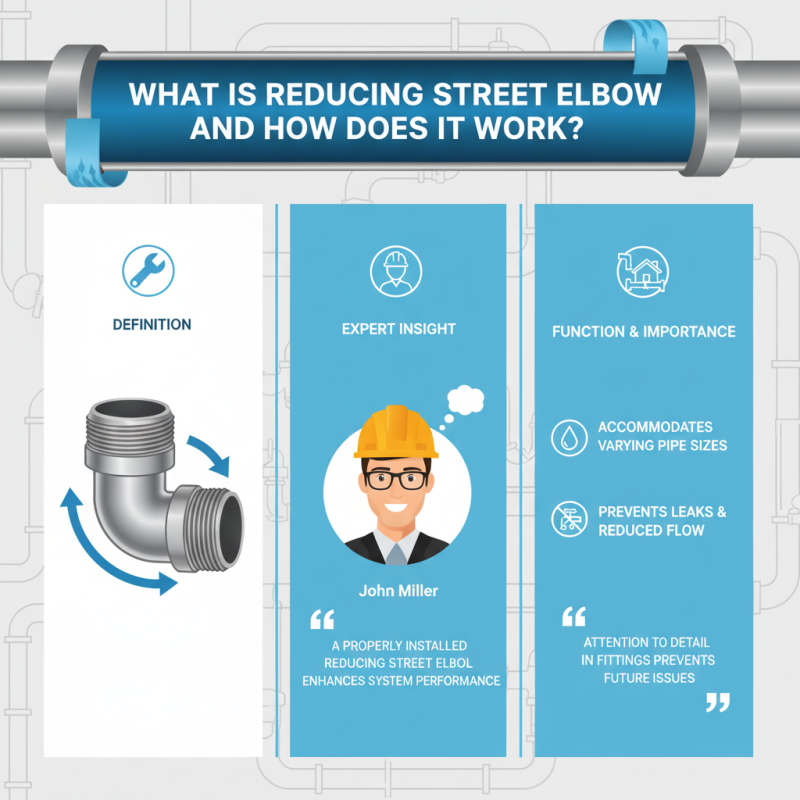
Reducing Street Elbow is a vital component in plumbing and piping systems. It allows pipe connections to change direction while maintaining flow efficiency. Experts like John Miller, a well-known plumbing engineer, explain its importance, saying, “A properly installed reducing street elbow enhances system performance.”
In practical terms, the reducing street elbow is designed to accommodate varying pipe sizes. This adaptability makes it essential for installations where space and layout present challenges. However, many overlook the significance of selecting the right elbow for the application. Choosing the wrong size can lead to leaks or reduced flow rates.
It’s important to emphasize that understanding the specifications is crucial. A common mistake is to assume all elbows are the same. The right fit matters enormously in maintaining integrity in plumbing connections. Each fitting must match the system's requirements to optimize performance. Neglecting these details can lead to costly repairs and inefficiencies in water flow. This is where the expertise of industry professionals is paramount. They often remind us, “Attention to detail in fittings prevents future issues.”
What is a Reducing Street Elbow?
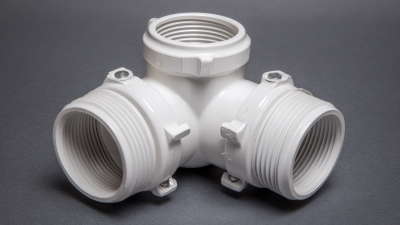
A reducing street elbow is a vital fitting in plumbing. It allows for the change of pipe size in a compact space. Typically made from durable materials, it features two ends with different diameters. This unique shape is essential for connecting pipes of varying sizes. For example, connecting larger trunk lines to smaller branch lines in a plumbing system is common.
Using a reducing street elbow can improve the efficiency of fluid movement. However, installation can sometimes be tricky. If the angles aren't aligned correctly, you might face leaks over time. This fitting can also add some restrictions to flow, which is something to monitor. It’s important to regularly inspect these connections, as wear and tear can occur.
Choosing the right size is critical. A poor fit may lead to increased pressure buildup. Inadequate attention to this detail can result in costly repairs. While reducing street elbows serve a clear purpose, their potential issues deserve careful consideration. Engaging with these components is about striking a balance between functionality and maintenance.
The Purpose and Benefits of Using Reducing Street Elbows
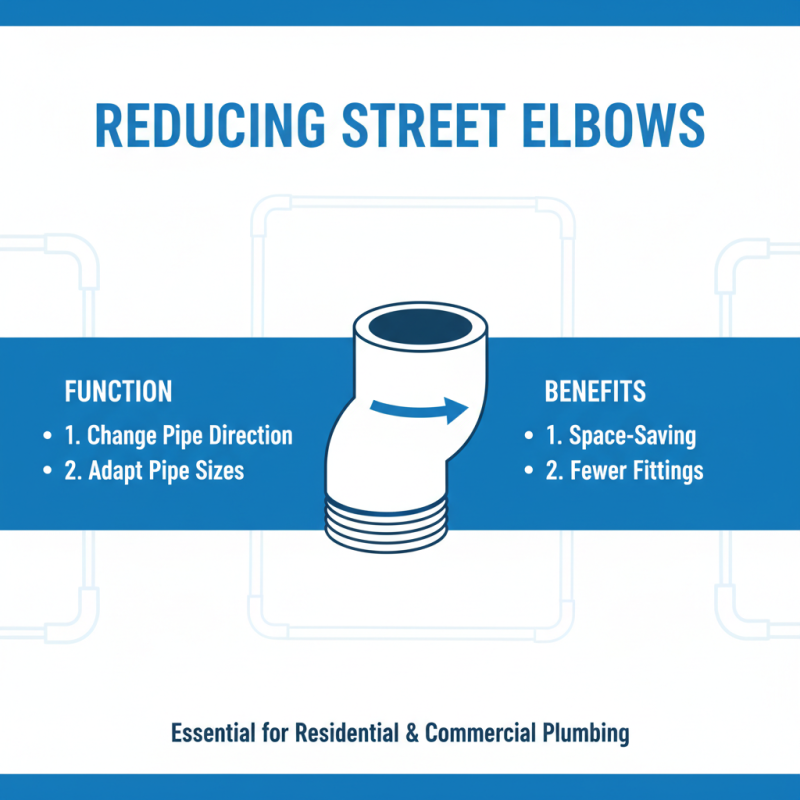
Reducing street elbows are essential components in plumbing and HVAC systems. They allow for a change in pipe diameter while redirecting flow. This design helps manage space limitations and can fit in tight areas. Street elbows typically have a male end, making them easy to connect directly to other pipes.
Using reducing street elbows offers several benefits. They minimize turbulence in fluid systems, improving efficiency. This efficiency leads to energy savings and reduces wear on pumps. A well-placed street elbow can prevent pipe damage, extending system longevity.
Tips: Always check the flow direction before installation. Incorrect positioning can lead to leaks. Measure carefully to ensure a proper fit. Remember, a slight miscalculation can cause substantial problems down the line. Carefully follow installation guidelines. Proper tools are crucial for a successful job.
How Reducing Street Elbows Function in Piping Systems
Reducing street elbows play a crucial role in piping systems. They enable smooth transitions between different pipe sizes. This component is essential for optimizing flow and reducing pressure loss. In a typical piping setup, a reducing street elbow allows you to connect two pipes with different diameters. The elbow's design minimizes turbulence, which is vital for maintaining efficiency.
Installing these elbows requires careful consideration. Positioning is key. Misalignment can lead to leaks or flow issues. A small error might seem insignificant but can cause larger problems. Always check the angles before installation. Ensure all connections are secure. This extra step saves time and resources.
Tips: When choosing reducing street elbows, consider the material compatibility. Different environments may require specific materials. Also, maintain a clean workspace. A cluttered area can lead to mistakes. Lastly, use the correct tools for installation. Using improper tools can damage the components, leading to inefficient operation.
Common Applications of Reducing Street Elbows in Plumbing
Reducing street elbows are essential in plumbing systems. They allow pipes to change direction efficiently while adapting to varying pipe sizes. Often used in tight spaces, these elbows help in minimizing the amount of fitting required. They come handy in both residential and commercial settings.
Common applications include drainage systems and water supply lines. In drainage, they help manage the flow of waste efficiently. In water supply, they ensure proper direction without compromising pressure. Installers appreciate their versatility. However, miscalculations can lead to leaks or uneven flow.
It's important to consider the size and angle while using reducing street elbows. A wrong fit can defeat the purpose. Often, it’s easy to overlook measurements in complex setups. This can cause frustration later on. Planning and precision help avoid such issues.
Installation and Maintenance Tips for Reducing Street Elbows
Reducing street elbows are essential in many plumbing systems. They help redirect water flow while minimizing pressure loss. Installing them correctly is vital. An incorrect angle can lead to leaks or inefficient flow.
When installing a reducing street elbow, consider the orientation. Ensure that the larger side connects to the pipe carrying the highest flow. Proper alignment is crucial. Misalignment can cause excessive wear on joints. Always use appropriate fittings for the best results.
During maintenance, check for signs of wear. Regularly inspect joints for leaks. A small drip can turn into a big problem. Cleaning debris from around the elbow helps prevent blockages. Don’t overlook these simple steps. They save time and cost down the road.