Top Types of Seamless Square Tube and Their Applications Explained?
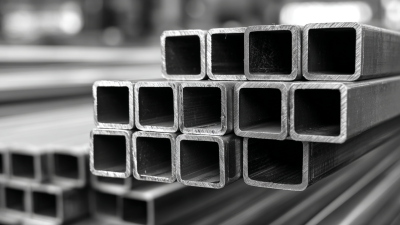
Seamless Square Tube is a versatile product used in various industries. These tubes are recognized for their strength and adaptability. They come in different materials and sizes, making them suitable for a wide range of applications.
In construction, Seamless Square Tube plays a crucial role. It supports structures and frameworks without the risk of weld failures. This feature enhances safety in buildings and infrastructures. Additionally, these tubes are utilized in the manufacturing of machinery. Their durability under pressure makes them ideal for mechanical supports.
Yet, the production of Seamless Square Tube can be complex. Manufacturers face challenges in maintaining consistency and quality. The process requires precision and can lead to waste if not executed correctly. This reflects the ongoing need for improvement and innovation in production techniques. Understanding the types of Seamless Square Tube and their applications can highlight their importance in modern engineering.
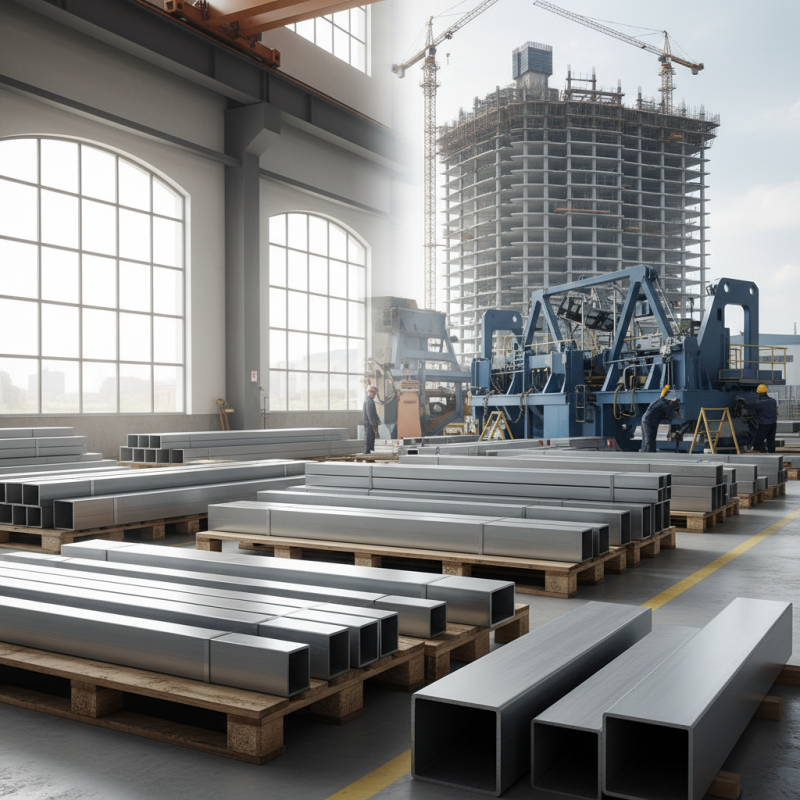
Overview of Seamless Square Tubes and Their Properties
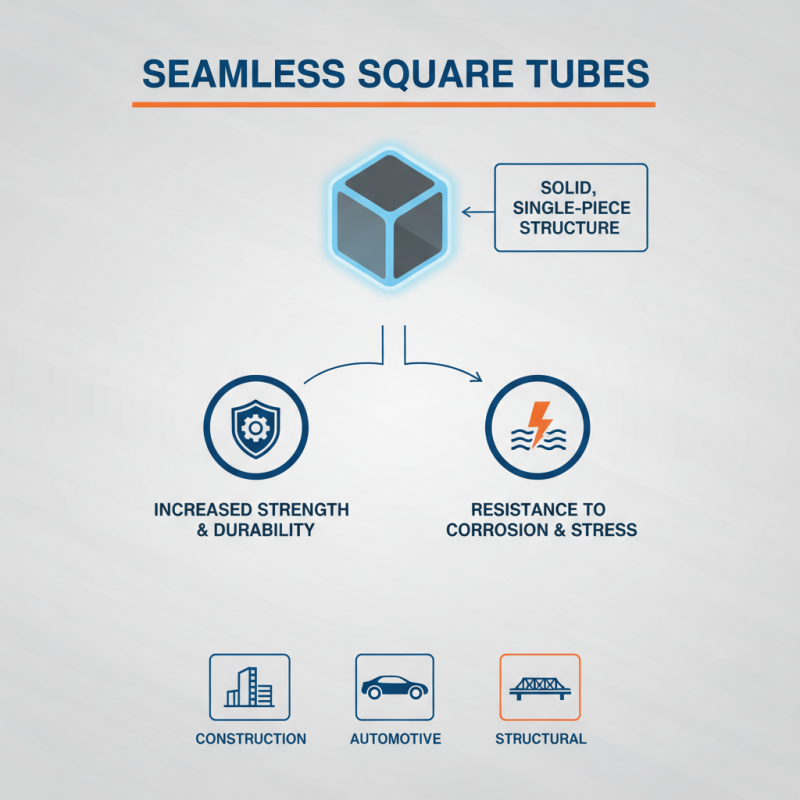
Seamless square tubes are critical in various industrial applications. These tubes differ from welded ones due to their solid, single-piece structure. This characteristic allows for increased strength and durability. According to industry reports, seamless square tubes have a higher resistance to corrosion and mechanical stress. This makes them ideal for use in construction, automotive, and structural applications.
A key property of seamless square tubes is their uniform wall thickness. This design feature reduces the risk of failure, making them safer in critical uses. For instance, in the construction sector, they provide reliable support for frameworks and scaffolding. Reports indicate that the demand for seamless square tubes has risen by 15% annually, driven by infrastructure projects worldwide.
Despite their advantages, it is essential to consider manufacturing challenges. Producing seamless tubes requires advanced technology, which can lead to higher costs. This factor makes their application less accessible for some projects. Additionally, not every manufacturer meets the required quality standards. Investing in rigorous quality control is necessary to avoid potential failures in critical applications.
Common Materials Used in Seamless Square Tube Manufacturing
Seamless square tubes are manufactured using various materials, each with distinct properties.
Steel is the most common choice.
It offers strength and durability, which makes it ideal for construction and manufacturing.
Stainless steel is another popular option.
It provides resistance to corrosion, making it suitable for outdoor structures and marine applications.
However, the weight of steel can be a drawback in some designs.
Aluminum is a versatile material that's gaining traction.
It's lightweight and easy to work with. These properties make aluminum seamless square tubes popular in automotive and aerospace industries.
Yet, aluminum may lack the strength of steel in high-load applications. Another option is plastic.
While not as common, plastic seamless tubes are lightweight and resistant to corrosion. They are often used in plumbing and fluid transport.
The choice of material greatly impacts the tube's performance. Each material has benefits and limitations.
It's essential to assess the specific needs of the application. For instance, will it face harsh weather or heavy loads?
Identifying the right material can be a challenging process.
One must weigh cost against functionality and durability. Finding the perfect balance is crucial for long-term success.
Key Applications of Seamless Square Tubes in Various Industries
Seamless square tubes are essential in many industries. They offer strength and durability, making them perfect for structural applications. In construction, these tubes support frameworks and scaffolding. Their uniform shape allows for easy assembly. In automotive manufacturing, seamless square tubes are used for chassis and suspension components. These parts need to bear significant stress, and seamless tubes excel in this area.
In the furniture industry, seamless square tubes create sleek designs. They are often used in creating modern tables and chairs. This versatility is attractive to designers. Yet, there can be issues with sourcing quality materials. Sometimes, the manufacturing process can lead to flaws in the tubes. These flaws are not always detectable until after installation.
Additionally, seamless square tubes have electrical and plumbing applications. They can carry fluids and gases safely. However, challenges arise when fitting them into existing systems. Custom solutions may be necessary, and that can increase costs. Attention to detail is crucial to avoid complications. Proper measurements help mitigate errors during installations, ensuring reliability in function.
Comparative Analysis of Seamless vs. Welded Square Tubes
When comparing seamless and welded square tubes, several factors come into play. Seamless tubes are formed without any joints. This gives them greater strength and durability. They can withstand higher pressure and stress, making them ideal for demanding applications. Industries like aerospace and oil and gas heavily rely on them. The absence of welds reduces the risk of failures in critical areas.
On the other hand, welded square tubes are often more cost-effective. They can be produced quickly and are widely available in various sizes. However, they do contain seams. This introduction of welds can be a point of weakness. In applications where strength is vital, this could be a concern. Industries that don’t face extreme conditions often opt for welded tubes, finding them sufficient.
The choice between the two isn't always clear-cut. Sometimes seamless tubes appear over-engineered for the job. Yet, if costs are a primary concern, welded tubes can feel like a practical choice. However, reflections on long-term performance versus initial expenses are necessary. Each type has its unique advantages and challenges. Making the right choice often requires careful evaluation of the specific application needs.
Seamless vs. Welded Square Tubes: Comparative Analysis
Future Trends in Seamless Square Tube Production and Usage
The seamless square tube market is evolving rapidly. Recent industry reports indicate a projected annual growth rate of 5.2% from 2021 to 2026. This growth is influenced by increasing demand from sectors such as construction, automotive, and energy. Key applications include structural components and fluid transport systems, which provide critical support and efficiency.
One notable trend is the shift toward sustainable production methods. Manufacturers are exploring green technologies to reduce emissions. Data shows that about 30% of companies are investing in environmentally-friendly processes. This transition is essential, given the industry's significant carbon footprint. Innovation in materials is also on the rise. Advanced alloys are gaining popularity for their strength and lightweight characteristics.
Challenges persist, though. Supply chain disruptions have impacted the availability of raw materials. This shortage affects production timelines and costs. Additionally, fluctuations in market demand make it hard to predict future trends accurately. Industry experts must remain vigilant. Without adaptive strategies, companies may struggle to capitalize on emerging opportunities.
Top Types of Seamless Square Tube and Their Applications Explained
| Type |
Material |
Wall Thickness (mm) |
Application |
Future Trends |
| Structural Tube |
Steel |
2.5 - 5.0 |
Construction and Infrastructure |
Increasing demand for lightweight and high-strength materials |
| Automotive Tube |
Aluminum |
1.0 - 3.0 |
Automobile Frames and Body Structures |
Focus on fuel efficiency and emissions reduction |
| Mechanical Tube |
Carbon Steel |
1.5 - 4.0 |
Machinery and Industrial Equipment |
Integration of smart technologies for predictive maintenance |
| Hydraulic Tube |
Stainless Steel |
2.0 - 5.0 |
Fluid Power Systems |
Development of corrosion-resistant tubes for longer life |
| Oil and Gas Tube |
Alloy Steel |
3.0 - 6.0 |
Pipeline and Drilling Applications |
Innovation in deep-water drilling technologies |