What is Stamping Die Components and How Are They Used?
Stamping Die Components play a crucial role in the manufacturing sector. According to a report by MarketsandMarkets, the global die casting market is projected to reach $85 billion by 2025. This significant growth highlights the increasing reliance on stamping technologies. Stamping dies help streamline production processes, improve precision, and reduce material waste.
The effectiveness of Stamping Die Components is evident in their versatility. They are used across various industries, including automotive, electronics, and aerospace. For example, a study by ResearchAndMarkets indicates that the automotive sector will be a primary driver for stamping die applications, with expected growth rates of over 5% annually. This trend showcases the need for high-quality components to meet rising demands.
Nevertheless, the industry faces challenges. Quality control and maintenance of Stamping Die Components often require skilled personnel and advanced technology. As manufacturers aim for efficiency, they must continuously assess their processes. This reflection is essential in ensuring that the components not only meet current standards but also adapt to future innovations.
What Are Stamping Die Components?
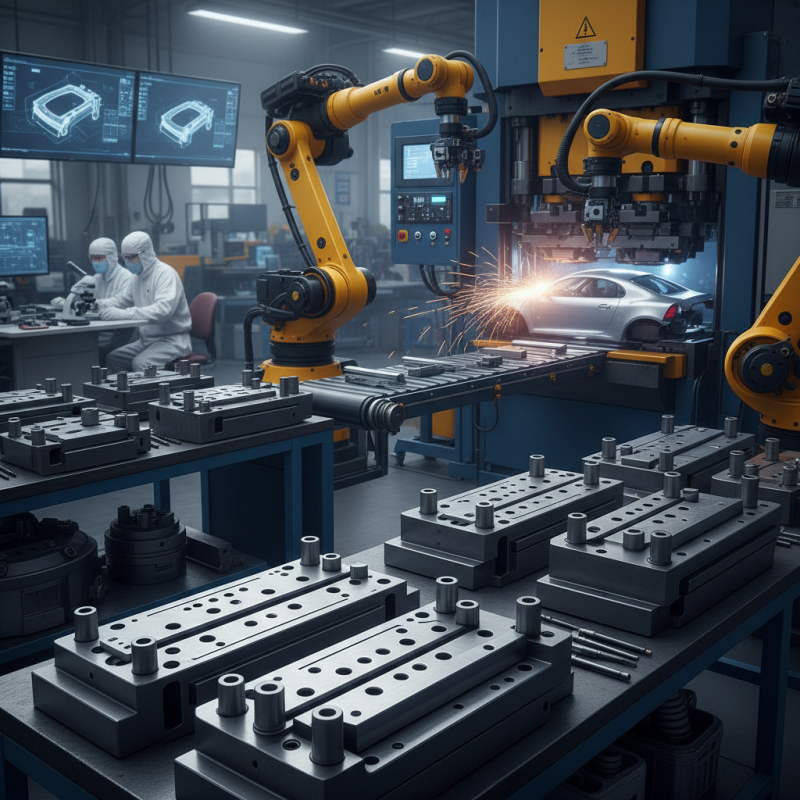
Stamping die components are essential tools in manufacturing. They play a critical role in shaping metal parts through stamping processes. Understanding these components is vital for engineers and manufacturers alike. Common stamping die components include punches, dies, and guides. Each component contributes uniquely to the precision and efficiency of the stamping process.
Punches are designed to cut or form the material. They must withstand high pressure consistently. Dies, on the other hand, provide the shape and support required during stamping. Proper alignment of punches and dies is crucial. Misalignment can lead to defects in the final product. Guides maintain the stability of the components and enhance accuracy. According to industry reports, the global die and mold market is projected to reach $56 billion by 2026, showcasing the growing importance of these tools.
Tips: Always inspect your stamping die components for wear. Regular maintenance can extend their lifespan. Additionally, consider the material type before production. Different metals require specific die designs for optimal results. The relationship between precision and efficiency shouldn’t be overlooked. Poorly designed components can lead to increased waste and longer production times. Understanding the specifics of stamping die components is essential for success in manufacturing.
What is Stamping Die Components and How Are They Used?
| Component |
Description |
Material |
Application |
| Punch |
A tool that cuts or shapes the material. |
High-speed steel or carbide |
Used in various stamping applications to create precise shapes. |
| Die |
Holds the material in place and provides the shape for the punch. |
Tool steel or alloy |
Essential in creating stamped parts for automotive and aerospace industries. |
| Guide Pins |
Ensure precise alignment of the punch and die during operation. |
Steel |
Used in various stamping machines for accurate positioning. |
| Ejection System |
Removes the stamped part from the die after the action. |
Spring steel or aluminum |
Critical for high-volume production to prevent jams. |
| Bed |
The base of the stamping die, supporting various components. |
Steel |
Provides stability for the stamping process. |
Types of Stamping Die Components Explained
Stamping die components play a crucial role in the manufacturing industry, particularly in metal fabrication. These components include punch, die, and die holder. Each part serves a specific function during the stamping process. According to a 2022 industry report, the global metal stamping market is projected to reach $20 billion by 2028, highlighting the importance of these components.
Punches are often made of high-speed steel or carbide, allowing them to efficiently cut through various materials. The precision of a punch affects the final product significantly. A 2023 study indicated that maintaining proper punch alignment can reduce wear and increase productivity by 30%. Similarly, dies are designed to shape the metal into the desired form, influencing overall accuracy and finish. They require regular maintenance to ensure consistency, yet many manufacturers neglect this critical step.
Die holders play an equally vital role. They securely support the upper and lower parts of the die, ensuring stability during operation. However, improper setup can lead to catastrophic failures, resulting in costly downtimes. A recent survey revealed that 40% of manufacturers experienced alignment issues due to inadequate die holder maintenance. This data underlines the necessity for companies to invest in proper inspection and upkeep of stamping die components.
How Stamping Die Components Function in Manufacturing
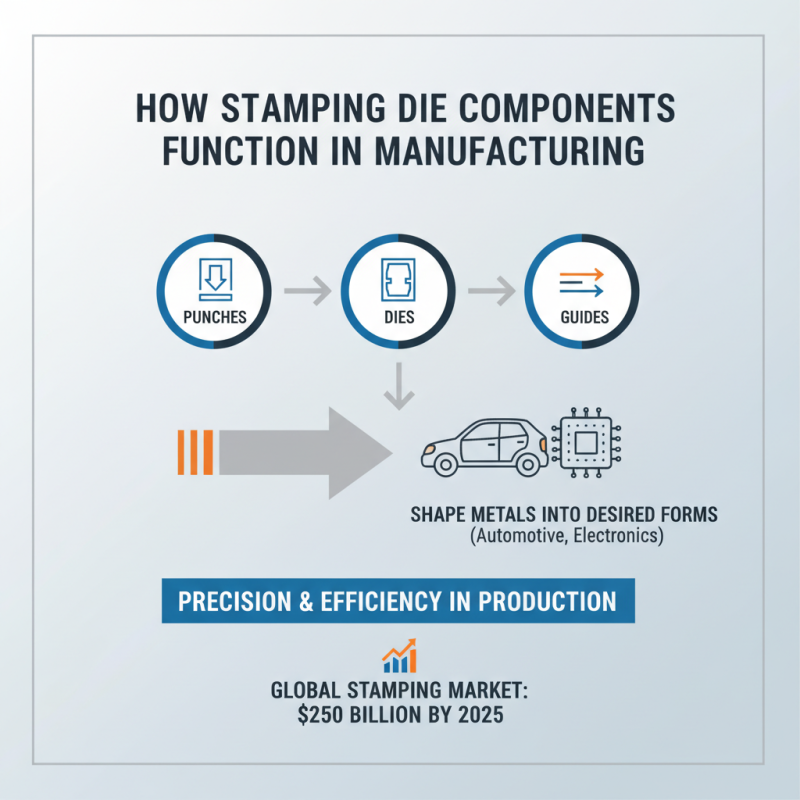
Stamping die components play a critical role in the manufacturing sector. These components include punches, dies, and guides that work together to shape metals into desired forms. Manufacturers often rely on these components to achieve precision and efficiency in production lines. According to a recent industry report, the global stamping market is expected to reach $250 billion by 2025, highlighting the components' importance in various sectors, such as automotive and electronics.
These components function by applying pressure to sheets of metal, creating shapes through a controlled process. With advancements in technology, manufacturers can create complex designs that require intricate die components. However, ensuring the proper alignment and fit is crucial. Any misalignment can lead to defects, resulting in increased waste and costs. Reports indicate that 15% of production costs can be attributed to material waste due to improperly functioning stamping dies.
Despite the advancements, manufacturers face challenges in maintaining the durability and efficiency of stamping die components. The wear and tear of components over time can affect output quality. Regular maintenance and precision engineering are necessary. Companies must weigh the cost of replacement against the potential loss in product quality. The balance is delicate and requires constant reflection on operational effectiveness.
Applications of Stamping Die Components in Industry
In the manufacturing industry, stamping die components play a crucial role in metal forming processes. These components, such as dies and punches, are essential for producing precise shapes and features. According to the Metal Stamping Industry report, the global market size for metal stamping is projected to reach $230 billion by 2025. This growth is often driven by the automotive and electronics sectors, which rely heavily on stamped parts.
The automotive industry utilizes stamping die components for creating body panels, brackets, and other critical elements. The production of these parts requires high accuracy. A slight deviation can lead to assembly issues. Similarly, in the electronics sector, stamping die components are essential for making connectors and housings. It is estimated that over 60% of all metal components in electronics come from stamping processes.
Despite the advantages, manufacturers face challenges. The initial setup of stamping dies can be costly and time-consuming. Proper maintenance of these components is also crucial to avoid production downtime. Improving design techniques and using advanced materials could enhance the longevity and efficiency of stamping dies. Many companies are still exploring innovative approaches to minimize waste during the stamping process.
Applications of Stamping Die Components in Industry
Maintenance and Care for Stamping Die Components
Stamping die components are critical in manufacturing processes. Proper maintenance and care for these components ensure efficiency and longevity. Regular inspection is paramount. Reports indicate that nearly 30% of equipment failures stem from inadequate maintenance. Keeping dies clean and lubricated reduces friction and wear, extending their usable life.
Regularly checking alignment and clearance plays a crucial role. Misalignment can lead to premature wear and part defects. It is advisable to use precision measuring tools. Professionals recommend cleaning components after every use. This prevents buildup that can affect operations.
Tip: Use a soft cloth for cleaning. Avoid abrasives that can scratch surfaces. Moreover, a monthly routine of lubrication should not be overlooked. This straightforward act significantly reduces operational downtime. Taking these steps leads to better performance and cost savings in the long run. It's essential to remain proactive rather than reactive.