10 Tips for Buying Seamless Steel Pipes Globally
Buying Seamless Steel Pipes across borders is not merely a price comparison. It is a technical and commercial risk assessment. World Steel Association data reported approximately 1.88 billion tonnes of global crude steel production in 2024. That scale creates opportunity, but it also creates inconsistent quality, documentation gaps, and confusing specifications. UN Comtrade records further show active international trade under HS Code 7304, covering seamless tubes and pipes. Buyers must still verify each shipment carefully.
Paolo Rocca, chairman of Tenaris, has described the company’s approach this way: “We are a service company, not only a steel company.” That point matters. A reliable supplier should provide more than attractive quotations. Mill certificates, heat numbers, dimensional reports, hydrostatic test records, and traceability should arrive before the cargo does. Check them.
This guide presents ten practical tips for global purchasing. It examines steel grades, standards, manufacturing routes, inspection plans, Incoterms, payment controls, and supplier experience. API 5L, ASTM A106, ASTM A53, and EN 10216 may look familiar, yet they are not interchangeable. Wall thickness can change during production. A small deviation may affect pressure performance, welding preparation, or installation time.
Some recommendations are intentionally cautious. No checklist can remove every procurement mistake. Even experienced buyers may overlook a coating requirement or misread a tolerance table. That is where independent inspection becomes valuable. Before approving Seamless Steel Pipes, compare the purchase order, approved drawings, certificates, and physical markings. The paperwork must match the steel.
Define Seamless Steel Pipes and Their Main Industrial Applications
10 Tips for Buying Seamless Steel Pipes Globally
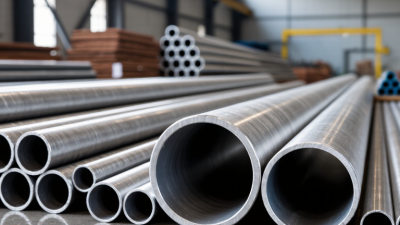
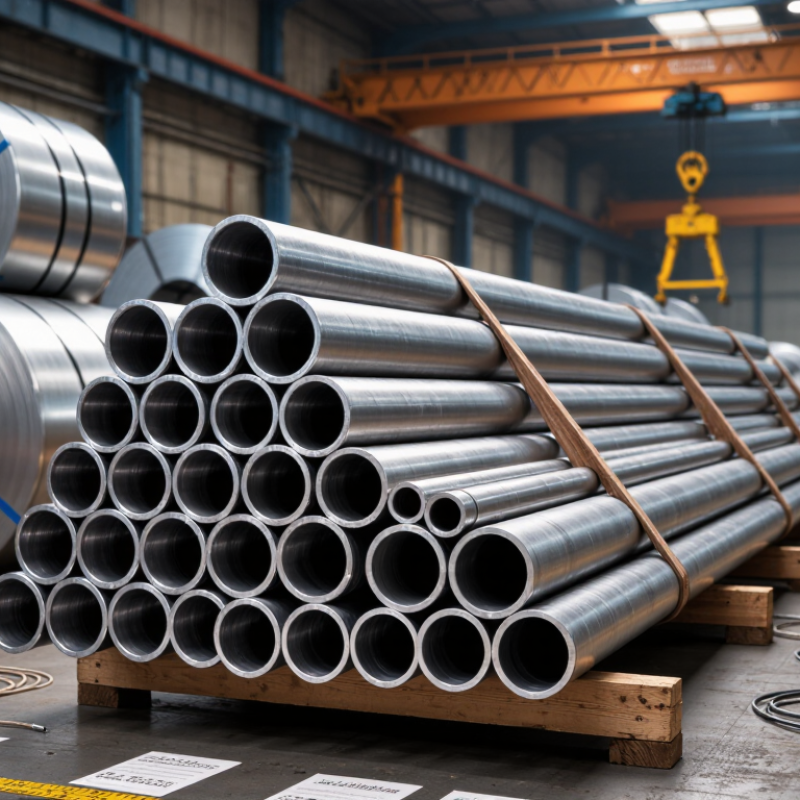
Seamless steel pipes are tubular products made without a longitudinal weld. Steel billets are heated, pierced, and rolled into hollow sections. Cold drawing may improve dimensional accuracy and surface finish. The absence of a welded seam supports reliable performance under pressure, temperature, and repeated loading. Still, “seamless” does not mean defect-free. Manufacturing quality, heat treatment, and inspection remain decisive.
These pipes serve demanding industrial systems. Refineries use them for high-pressure process lines and heat exchangers. Power plants install them in boiler tubes, superheater circuits, and feedwater systems. Oil and gas operators use larger sizes for drilling, production, and gathering lines. Mechanical manufacturers also specify seamless tubing for hydraulic cylinders, shafts, and structural components. The application changes the correct grade, wall thickness, tolerance, and testing plan.
Industry data shows why this market remains important. World Steel Association’s World Steel in Figures 2024 reported global crude steel production of about 1.89 billion tonnes in 2023. The International Energy Agency’s Gas 2024 report projected global gas demand growth of approximately 2.5% in 2024. These figures indicate continuing demand for pressure-rated steel infrastructure, although they do not measure seamless pipes directly. Buyers should verify standards such as ASTM, ASME, API, or EN requirements. Request a material test certificate, heat number traceability, hydrostatic testing, and nondestructive examination records. A certificate alone can be incomplete. Confirm whether testing covers every pipe, each batch, or only a sample. Sources: World Steel Association, World Steel in Figures 2024; International Energy Agency, Gas 2024.
Evaluate Global Suppliers, Manufacturing Quality, and Production Capabilities
10 Tips for Buying Seamless Steel Pipes Globally
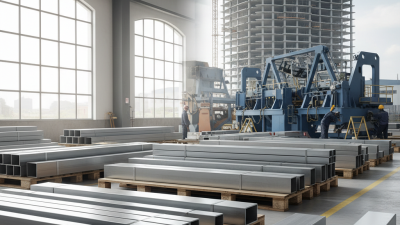
Global buying demands more than comparing quotations. The World Steel Association forecast steel demand at 1.77 billion tonnes in 2024. However, supply scale does not prove pipe quality. Tip: Check the mill’s actual production route, including piercing, hot rolling, heat treatment, and finishing. Tip: Request monthly capacity, furnace size, and realistic output for your required grades. Tip: Compare the supplier’s equipment with your specifications. Tip: Ask for recent mill test certificates, not sample documents. Tip: Match each certificate to the heat number stamped on the pipe.
Tip: Verify compliance with the required standard, such as ASTM, API, or EN specifications. Tip: Require ultrasonic or eddy-current inspection for critical applications. Tip: Review hydrostatic test pressure, wall-thickness tolerance, straightness, and surface repairs. Tip: Audit traceability from billet to final bundle. A clear trail matters. Tip: Inspect packaging, marking, and loading photographs before shipment. OECD’s 2024 steel capacity report warned that global excess capacity could approach 630 million tonnes by 2026. This creates price pressure, but also makes unrealistic delivery promises easier to spot.
In my experience, a polished factory tour can hide weak process control. I once focused too much on equipment and too little on inspection records. That was a mistake. Ask for nonconformance statistics, calibration records, and corrective-action examples. Check whether the laboratory uses calibrated instruments and qualified technicians. Confirm production slots in writing, including testing and export documentation. If a supplier avoids a small third-party inspection, reconsider the larger order. Fancy certificates help less than repeatable measurements.
Verify Certifications, Inspection Reports, Pricing, and Contract Terms
When buying seamless steel pipes globally, certification is your first quality filter. The World Steel Association reported 1.89 billion tonnes of crude steel production in 2023. That scale creates many capable suppliers, but also uneven documentation. Ask for the original mill certificate, heat number, chemical analysis, tensile results, and applicable standard. Match every number to the pipe marking. An impressive PDF is not evidence alone. Verify the issuing laboratory, accreditation scope, signatures, and report date. For critical service, request inspection under EN 10204 3.2 or an equivalent requirement.
Pricing needs a wider lens. The OECD Steel Outlook 2024 projects global steelmaking capacity to increase by about 6.7% between 2024 and 2026. More capacity may improve availability, but prices still reflect billet costs, freight, energy, duties, and currency movements. Compare landed cost, not only the quoted price per tonne. I once focused too heavily on a low offer and missed expensive inspection and port charges. That mistake remains useful. Ask whether the price includes testing, packing, insurance, and replacement of rejected pipes.
Contract language should define grade, dimensions, tolerance, quantity, delivery point, Incoterms, inspection rights, payment stages, and claim deadlines. State who pays for retesting. Specify acceptable defects and remedies. Confirm the governing law and dispute process before production begins. Keep every revision attached to the signed purchase order. Small gaps become costly arguments. Credibility comes from traceable records, not confident promises.
Plan Shipping, Customs Compliance, Delivery Risks, and After-Sales Support
10 Tips for Buying Seamless Steel Pipes Globally
Plan logistics before approving the purchase order. Confirm pipe lengths, bundle weights, loading limits, and the destination port. Request photos of protective caps, steel straps, and moisture barriers. Small packaging failures can cause costly surface damage. Choose suitable shipping terms and clarify which party controls freight, insurance, and unloading. Add buffer time for port congestion, inspections, and severe weather. Do not rely on the supplier’s estimated arrival date alone.
Customs compliance needs careful preparation. Verify the correct HS classification with a qualified customs adviser. Check commercial invoices, packing lists, certificates of origin, and material test certificates. Ensure descriptions match the actual grade, dimensions, and quantities. Local duties and import controls may change. Recheck them before shipment. A missing document can hold a container for days. It is frustrating, but preventable.
Use an independent inspection before dispatch when order value is significant. Inspect dimensions, wall thickness, straightness, surface condition, heat numbers, and markings. Keep approved samples and inspection photographs in one shared file. Agree on claims procedures, response times, replacement rules, and technical support before payment. Ask how the supplier handles shortages or damaged bundles. After-sales support matters long after delivery. In practice, even a strong process can miss something; review each shipment and improve the next one.