Top 10 Stamping Die Components You Need for Your Business?
In the world of manufacturing, understanding the essential Stamping Die Components can significantly enhance your business's efficiency. These components are crucial for creating high-quality stamped products. Knowing which components to prioritize could make or break your production process.
Every industry has its secrets, and stamping is no different. The right die components ensure precision and durability. You might think all manufacturers use the same parts, but that's far from reality. Each component has unique strengths and weaknesses. Some may wear out quicker than expected, leading to costly delays.
Investing time to learn about these components is vital. Your choice of Stamping Die Components should reflect not only your immediate needs but also your long-term goals. This understanding helps prevent future problems and leads to better production outcomes. Balancing cost with quality can be challenging but rewarding.
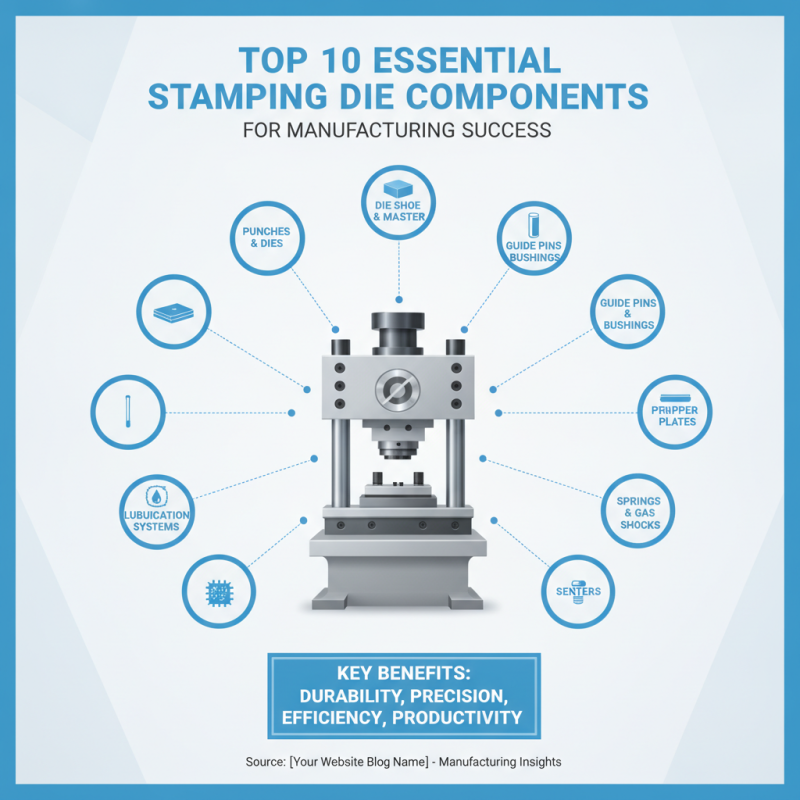
Top 10 Essential Stamping Die Components for Manufacturing Success
In the world of manufacturing, stamping die components play a crucial role. Selecting the right components can significantly impact efficiency and productivity. These components must be durable and precise. Each part contributes to the overall effectiveness of the stamping process.
Consider the importance of die shoes. They support and align other components firmly. A poorly designed shoe can lead to misalignment and production errors. Another key element is the punch. It should be designed to withstand high pressure while maintaining sharpness. Dull punches can slow down production and increase costs.
Ultimate success lies in paying attention to details. Common issues include wear and tear and inadequate lubrication. Regular maintenance is essential. Overlooked components can lead to major downtime. Investing time in evaluating your tools and processes yields long-term benefits. Embrace ongoing learning; it is vital for advancement. Every misstep provides a learning opportunity, shaping better practices for the future.
Understanding the Role of Die Blocks in Precision Stamping Applications
In precision stamping applications, die blocks are crucial components.
They serve as the main framework that holds the various parts of the stamping die together. A well-designed die block provides stability and alignment. This ensures reproducibility in the stamping process. An improperly crafted block can lead to dimensional inaccuracies and increased material waste.
The choice of materials for die blocks directly affects their performance. High-quality steel or hardened alloys offer durability and resistance to wear. However, not all die blocks meet the specific needs of every stamping project. Some may require customization to accommodate unique designs or precision needs. Crafting a die block involves more than just selecting a material; it requires thoughtful engineering to ensure it fits the intended design accurately.
Reflecting on the role of die blocks, manufacturers sometimes underestimate their importance. They often focus on the cutting tools or other components. Yet, a sturdy and accurate die block is foundational for successful stamping. Small deviations can amplify during production, leading to significant issues. Regular evaluation of die blocks can prevent costly errors down the line. Prioritizing the block’s design can enhance overall productivity and minimize risk.
Key Benefits of Selecting the Right Punches for Productivity and Quality
Selecting the right punches is crucial for any manufacturing business. They directly impact productivity and quality. A report from the National Association of Manufacturers states that optimal tooling can enhance production efficiency by up to 30%. Businesses that invest in quality stamping die components report fewer defects and reduced rework costs. This leads to higher profit margins and better customer satisfaction.
Precision plays a key role in stamping operations. Quality punches ensure consistent shapes and sizes. According to data from the Fabricators & Manufacturers Association, improper tooling can result in a staggering 20% increase in material waste. This not only affects the bottom line but also compromises sustainability efforts.
Moreover, the wrong punches can slow down production. Machinery downtime due to malfunctions can halt operations. A study by the American Society for Quality highlights that up to 15% of production time can be lost to tooling issues. Investing in the right stamping die components can therefore mitigate these risks. Each choice must be reflected upon. The consequences of poor decisions in tooling can be long-lasting and costly.
Top 10 Stamping Die Components You Need for Your Business
| Component Name |
Material |
Key Benefits |
Common Applications |
| Punches |
High Carbon Steel |
Precision cutting, durability |
Metal stamping, automotive parts |
| Dies |
Tool Steel |
High strength, impact resistance |
Sheet metal forming |
| Bushings |
Bronze or Steel |
Reduced friction, increased longevity |
Guiding punches |
| Guide Plates |
Aluminum |
Improved alignment, stability |
Part assembly |
| Hold-downs |
Steel |
Secure positioning, uniform pressure |
Stamping operations |
| Die Blocks |
Steel or Aluminum |
Weight optimization, structural integrity |
Die construction |
| Pin Punches |
Tool Steel |
Fine detail work, precision |
Complex designs |
| Shims |
Various Metals |
Adjustable thickness, precision spacing |
Alignment tasks |
| Strippers |
Steel |
Efficient part removal, minimal damage |
Post-stamping operations |
| Clamping Devices |
Aluminum or Steel |
Enhanced stability, accuracy |
Assembly lines |
Importance of Die Springs in Maintaining Consistent Pressure and Longevity
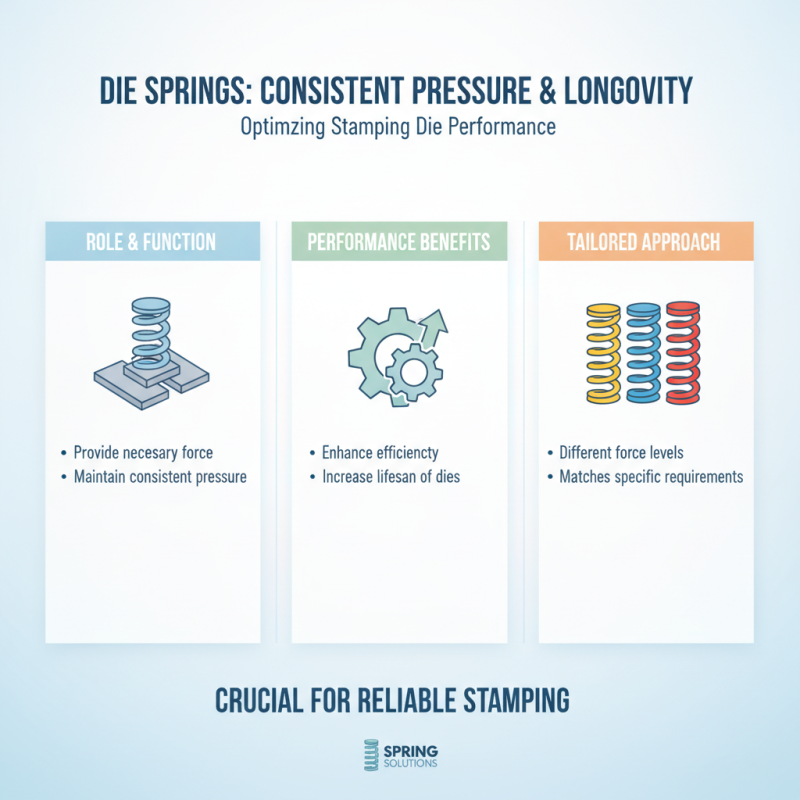
Die springs play a crucial role in stamping die components. They provide the necessary force to maintain consistent pressure throughout the stamping process. When properly selected, die springs can significantly enhance the efficiency and longevity of dies. Each spring is designed to offer different levels of force, which allows for a tailored approach to different stamping requirements.
Choosing the correct die spring is not merely a technical choice; it requires a deep understanding of the material being stamped and the conditions. Using inappropriate springs can lead to inconsistent pressure, resulting in defective products. This aspect often gets overlooked, prompting unnecessary downtime and production losses. A reliable supplier can help assess specific needs and guide in selecting optimal springs.
Moreover, wear and tear must be considered. Over time, springs can degrade, affecting their performance. Monitoring this can seem tedious, but it is essential for maintaining production quality. Regular inspections help pinpoint issues before they escalate into serious problems. While many may think of springs as secondary components, their importance in the stamping process cannot be underestimated. They are the unsung heroes that silently ensure everything runs smoothly.
How Guide Posts Enhance Alignment and Accuracy in Stamping Processes
In the stamping industry, guide posts play a pivotal role in ensuring precision. These components help maintain alignment between the die and the workpiece, which is crucial for producing high-quality parts. When the alignment is off, defects are likely to occur. This can lead to increased production costs and wasted materials.
Using guide posts can significantly enhance the accuracy of stamping operations. They provide steady support, ensuring that dies remain in the correct position throughout the stamping cycle. This consistency minimizes the risk of malfunctions and improves overall efficiency. The choice of materials and dimensions for guide posts should be carefully considered.
Tip: Always choose guide posts made from durable materials to withstand wear and tear.
Another essential factor is the installation process. Improperly installed guide posts can lead to alignment issues. Regularly inspect and maintain guide posts to ensure they remain functional. This can prevent costly downtime and improve the quality of your final products.
Tip: Schedule weekly checks on guide posts to ensure optimal performance.
Incorporating guide posts into your stamping dies not only increases precision but also boosts productivity. Their role is often underestimated, yet their impact is undeniable.